
Affiliate Marketing in India 2026: Earnings & Trends
Affiliate marketing in India has evolved from a casual side income into a structured digital profession. In 2026, with India crossing 1.02 billion internet users, deep smartphone penetration, AI powered commerce, and the rise of creator led buying, affiliate marketing is now one of the most accessible online business models in the country.
Students, professionals, homemakers, and even offline business owners are building predictable affiliate income through content, communities, and micro brands.
This guide explains everything you need to know in 2026 including updated market size, earning potential, legal compliance, tools, niches, trends, and how to build a sustainable affiliate career in India.
If you’re looking to advance your expertise, explore our detailed guide on the masters in digital marketing course to deepen your knowledge.
How It Works & Why It Pays
Affiliate marketing is a results driven digital business model where individuals or companies promote third party products or services using special tracking links and earn a commission whenever a defined action such as a purchase, registration, or qualified lead is completed.
Unlike traditional advertising, affiliate marketing ensures brands only pay for actual outcomes, making it one of the most efficient and scalable marketing channels in 2026.
Today, affiliate marketing is deeply embedded across major digital sectors, including:
- E-commerce & Marketplaces: Amazon, Flipkart, Myntra, Meesho
- SaaS, AI & Productivity Tools: Canva, Jasper, Zoho, Notion
- Finance & FinTech: Zerodha, Upstox, INDmoney, credit card & insurance platforms
- Education & Skill Development: Coursera, Udemy, Code with TLS, Google Career Certificates
- Direct to Consumer (D2C) Brands: Skincare, fitness, nutrition, fashion, and lifestyle brands
In 2026, affiliate marketing is no longer a side activity it is a core growth engine within digital marketing strategies, working alongside SEO, paid advertising, influencer marketing, email automation, and AI driven personalization to drive measurable, performance based revenue.
For learners interested in passive income streams, check out our article on affiliate marketing in India.
2026–2027 Latest Trends & Developments in Affiliate Marketing (India)
The affiliate marketing landscape in India has shifted rapidly, driven by technology advances, consumer behavior, and regulatory clarity. Here are the most impactful developments shaping affiliate success in 2026 and early 2027:
AI Driven Conversion Systems Are Now Standard
AI powered tools are no longer experimental affiliate marketers now routinely use:
- AI generated landing pages optimized in real time
- Conversational AI funnels and smart chat assistants
- Personalized recommendation engines
These systems boost conversions, automate follow ups, and adapt messaging based on user behavior.
Regional & Vernacular Content Dominates Growth
Localized affiliate content in languages like Hindi, Tamil, Telugu, Bengali, Marathi, Kannada, and Malayalam now contributes to well over 40–50% of conversions in many niches. Marketers creating content in local languages are seeing stronger trust signals and higher engagement.
To understand the future of search, read our insights on generative engine optimization (GEO).
Short Form Commerce Leads Traffic & Sales
Short form video platforms (YouTube Shorts, Instagram Reels, and WhatsApp Channels) have officially surpassed blogs as the biggest source of affiliate traffic in India. Short video content with direct product links and UPI checkout options is fueling impulse purchases.
Affiliate Programs Outpace Traditional Influencer Deals
D2C and e-commerce brands are increasingly replacing fixed influencer contracts with affiliate first partnerships. The shift is driven by:
- Clear performance tracking
- Better ROI accountability
- Lower upfront costs
This change is especially strong among fast-growth lifestyle and wellness brands.
Better, Faster, Reliable Payments via UPI & Smart Payouts
Payout infrastructure has matured with UPI AutoPay, scheduled payouts, and real-time settlement options. This has significantly reduced delays and payment failures a previous pain point for Indian affiliates.
Stronger Disclosure and Consumer Safeguards
Regulatory clarity has improved:
- ASCI’s mandatory disclosure guidelines are enforced more consistently.
- New consumer protection standards ensure transparency in recommendations.
Marketers now routinely include clear disclaimers and disclosure badges across content formats.
Commerce Platforms Integrate Affiliate Tools Natively
Major platforms like Amazon, Flipkart, Myntra, and niche SaaS marketplaces now offer in platform affiliate dashboards and AI insights reducing dependency on third party aggregation tools.
Not sure whether to learn online or in-person? Compare both options in our guide on online vs offline digital marketing courses.
Updated Facts & Figures (2026)
Affiliate Earnings in India (Realistic 2026 Income Ranges)
Affiliate income in India varies based on niche selection, platform, audience trust, traffic quality, and conversion optimization. Below is a realistic breakdown of monthly earning potential in 2026:
| Level | Experience | Monthly Income (₹) |
| Beginner | 0–3 months (learning + first campaigns) | ₹5,000 – ₹20,000 |
| Intermediate | 3–12 months (consistent traffic & content) | ₹30,000 – ₹2 lakh |
| Full-time Professional | 1–3 years (optimized funnels + multiple offers) | ₹2 lakh – ₹15 lakh |
| Agencies / Super Affiliates | Scaled teams, paid ads, multiple brands | ₹15 lakh – ₹50 lakh+ |
Note: Earnings depend on:
- Niche profitability
- Audience size and trust
- Content quality & platform (SEO, Reels, YouTube, Email)
- Conversion rate optimization (landing pages, CTAs, follow-ups)
- Paid vs organic traffic mix
Affiliate marketing is not instant income — but with the right system, it becomes highly scalable.
If cost is a concern, our breakdown on what are the fees of digital marketing course in Delhi will help you plan better.
Highest Paying Affiliate Niches in India
Some niches consistently deliver higher commissions and better lifetime value in the Indian market:
1. Finance & Investment
Demat accounts, credit cards, insurance, loans, fintech apps
Payouts: ₹500 – ₹2,500 per qualified lead or account
Why high: High customer lifetime value
2. EdTech & Professional Certifications
Skill courses, exam prep, career programs, certifications
Commission: 20% – 45% revenue share
Why high: Recurring enrollments + high-ticket pricing
If you want local opportunities with job support, check out our guide on digital marketing course in Delhi with job.
3. SaaS, AI Tools & Business Software
CRM, marketing tools, AI content tools, productivity software
Commission: 20% – 50% recurring monthly
Why high: Subscription-based lifetime revenue
4. Health, Fitness & Wellness
Supplements, weight loss, mental wellness, fitness coaching
Commission: 15% – 35% per sale
Why high: Repeat purchases and strong emotional demand
5. Web Hosting, Domains & Online Infrastructure
Hosting, website builders, email services, cloud tools
Payouts: ₹2,000 – ₹8,000 per sale
Why high: High-ticket B2B services
6. D2C Premium Consumer Brands (Emerging in 2026)
Skincare, personal care, nutrition, fashion subscriptions
Commission: 10% – 30%
Why growing: Strong brand loyalty and social commerce integration
To grow your blog traffic faster, check our proven blog promotion strategies used by successful marketers.
Most Used Tools by Affiliate Marketers in India (2026 Edition)
Affiliate marketing in 2026 is driven by automation, AI assistance, and performance tracking. Successful affiliates now rely on a lean stack of tools to manage links, content, data, and payments efficiently.
1. Link Tracking & Management
Used to cloak, manage, and analyze affiliate links:
- PrettyLinks — WordPress based link cloaking and redirection
- Bitly Pro — branded short links with click analytics
- ThirstyAffiliates — advanced affiliate link management and automation
Purpose: Track clicks, improve trust, manage broken links, and optimize conversions.
To boost your content strategy, read our actionable blog promotion strategies guide.
2. Landing Page & Funnel Builders
Used to build conversion focused pages without coding:
- Systeme.io — full funnel builder with email automation
- ConvertKit Pages — simple landing pages integrated with email lists
- Carrd — lightweight one-page sites for mobile first audiences
Purpose: Capture leads, pre sell offers, and increase conversion rates.
3. Design & Creative Tools
Used for visual branding and content creation:
- Canva AI — design, video, thumbnails, and ad creatives using AI
- Adobe Express — quick social graphics and reels templates
Purpose: Improve content quality without professional designers.
4. AI Copywriting & Chat Automation
Used for faster content creation and conversational selling:
- ChatGPT — scripts, captions, email sequences, product comparisons
- Jasper AI — conversion focused long form and ad copy
- ManyChat AI — automated WhatsApp and Instagram DM funnels
Purpose: Scale content and customer interactions without hiring teams.
or learners interested in flexible options, check our online digital marketing course.
5. Analytics & Optimization
Used to measure and improve performance:
- Google Analytics 4 (GA4) — traffic, conversions, and attribution
- Hotjar — heatmaps and behavior tracking
- Microsoft Clarity — session recordings and UX analysis
Purpose: Understand user behavior and increase conversion efficiency.
6. Payments & Payout Infrastructure
Used to receive affiliate income securely in India:
- Razorpay Business — invoicing, UPI, and payouts
- Paytm Business — UPI, QR, and settlement tools
- UPI AutoPay — recurring subscription commissions
Purpose: Fast settlements, GST compliance, and accounting clarity.
To learn how automation and AI are changing the workforce, explore our post on the impact of AI on jobs.
Is Affiliate Marketing Legal in India? (2026 Compliance Guide)
Yes — affiliate marketing is fully legal in India in 2026, provided you follow the current regulatory, advertising, and tax guidelines.
Legal & Compliance Requirements
To operate safely and professionally:
- Mandatory Affiliate Disclosure
As per ASCI and Consumer Protection Act (Digital Advertising Rules), you must clearly disclose affiliate relationships (e.g., “This post contains affiliate links”). - No Misleading or False Claims
You cannot make exaggerated earnings claims, fake reviews, or false guarantees. - GST Registration
Required if annual turnover exceeds ₹20 lakh (₹10 lakh for special category states).
Digital services and international affiliate income may attract IGST. - Income Tax Reporting
Affiliate income is taxable under “Income from Business or Profession” or “Other Sources” depending on your structure. - Data Protection & Privacy
Must comply with India’s Digital Personal Data Protection Act (DPDP Act, enforced 2025 onward) if collecting user data. - Platform Policy Compliance
Follow guidelines of Google, Meta, Amazon, and payment gateways to avoid account suspension.
If your goal is a job-oriented program, our digital marketing course in Delhi with job guide will help you choose the right institute.
FAQs
1. Is affiliate marketing still profitable in 2026?
Yes, more profitable due to AI tools, video commerce, and regional growth.
2. Do I need a website?
No. Reels, Shorts, Telegram, WhatsApp Channels also work.
3. How long before earning?
Usually 30–90 days with consistent effort.
4. Is coding required?
No modern tools are no code.
5. Can students do affiliate marketing?
Yes, legally above 18 years.
6. Which platform is best to start?
Instagram Reels, YouTube Shorts, or niche blogs.
7. Are payouts reliable now?
Yes, UPI based auto payouts have reduced delays.
8. Is affiliate marketing risky?
Low financial risk, but requires time and consistency.
9. Is GST mandatory?
Only if turnover exceeds ₹20 lakh annually.
10. Can affiliate marketing become a full-time career?
Yes thousands in India now run full time affiliate businesses.
Students focused on careers can also read about our digital marketing courses with placement for practical job support.
Join Code with TLS Learn Affiliate Marketing the Right Way
At Code with TLS, we go beyond theory. You don’t just “learn” affiliate marketing — you build, launch, and optimize real campaigns from day one.
If you’d like to talk directly to our team or book a free counseling session, please visit our contact us page.
You’ll get:
- Practical affiliate campaign setup and execution
- AI-powered tools for content, landing pages, and automation
- Live projects with expert feedback and mentorship
- Freelancing, placement, and client acquisition guidance
- A beginner friendly learning path — no technical background needed
Whether you aim to build a side income, freelance, or grow a full time online business, our program is designed to help you succeed in the real market not just in a classroom.
Call now and start building your affiliate income system for 2026 with expert guidance.
Need help enrolling or have questions? Visit our contact page to get in touch with our team.
Conclusion
Affiliate marketing in India has evolved into a reliable, scalable, and skill-based digital profession in 2026. It is no longer an experimental side hustle it is a structured business model powered by data, automation, and content-led trust.
Those who succeed are not chasing shortcuts. They choose a clear niche, build authentic audiences, apply ethical promotion practices, and optimize consistently using analytics and AI tools. With the right training and execution, affiliate marketing can create long term income, location freedom, and brand ownership.
Wondering if you can start early? Read our article answering can I do a digital marketing course after 12.
The real advantage today belongs to early adopters who invest in learning, apply systematically, and treat affiliate marketing like a business not a gamble.
At Code with TLS, we teach not just digital marketing but the future of digital marketing.
If you’d like direct support from TLS experts, feel free to reach out through our Code With TLS contact us page.
Visit Us:
2/81–82, Ground Floor, Lalita Park, Gali No-2, Laxmi Nagar, New Delhi – 110092
Call: +91 85278 66980
Email: info@codewithtls.com
Have questions or want to get started? Visit our Contact Us Page.
Recent Posts
 Understanding AIO (AI Overviews) and Its Impact on SEO in 2026
 Difference Between SEO and SXO: Complete Guide for 2026
 The Power of Search Experience Optimization (SXO)
 What is Agent Experience Optimization (AXO)? A Complete Guide for 2026
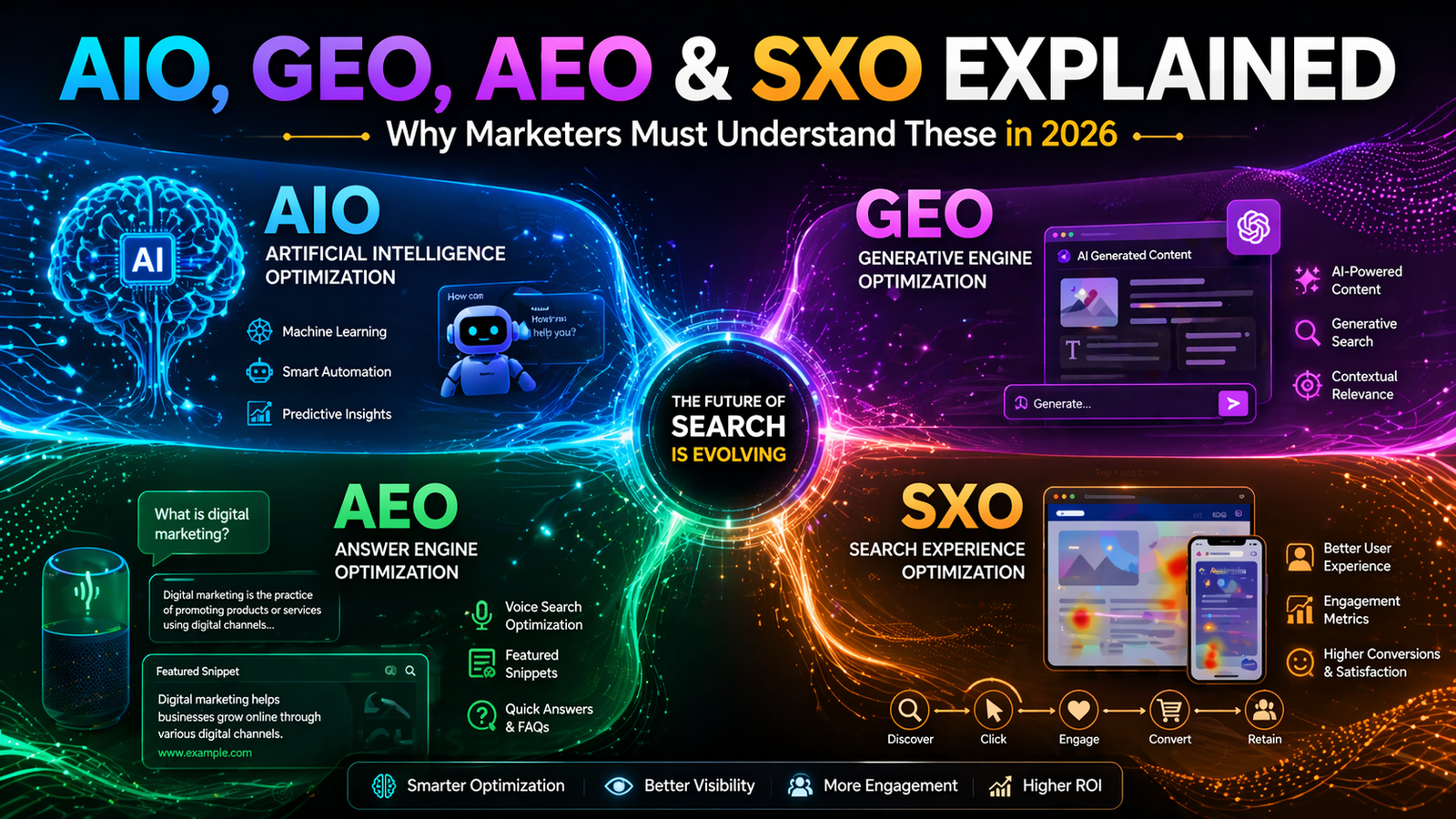 What AIO, GEO, AEO, and SXO Actually Mean — and Why Marketers Should Care
 Google Ads vs Meta Ads — Which Is Better for Your Business in 2026?
 On-Page SEO Checklist for 2026 (Step-by-Step Guide)
 What is GMB & How to Rank on Google My Business in 2026 (Complete Guide)
 Google Digital Garage: Courses List, Certificates & Career Opportunities
 Prompt Engineering for Digital Marketers: Boost AI Results