

Impact of AI on Jobs: Opportunities, and Future Trends
Artificial Intelligence (AI) is no longer a futuristic concept—it is reshaping industries, business operations, and the very nature of work. From automation to predictive analytics, AI technologies are becoming integral to organizations worldwide. But what does this mean for the workforce? Understanding the impact of AI on jobs is crucial for employees, employers, and policymakers alike. In this article, we dive deep into how AI is transforming the employment landscape, which jobs are most affected, and how you can prepare for the future.
How AI Is Transforming the Job Market
As AI continues to evolve, it is not just automating tasks but also reshaping the skills and roles required in the modern workplace, making it essential to understand both the opportunities and challenges it presents.
"For those looking to enhance their digital skills alongside understanding AI’s impact on jobs, check out our 3-Month Digital Marketing Course for practical, industry-ready training."
Understanding the Rise of AI in the Workplace
AI technologies, such as machine learning, natural language processing, and robotics, are enhancing efficiency and decision-making in every sector. Companies are leveraging AI for tasks ranging from customer service chatbots to complex data analysis. While this innovation brings unprecedented opportunities, it also sparks concern about job displacement.
The impact of AI on jobs is particularly noticeable in sectors involving repetitive tasks, such as manufacturing, data entry, and customer support. However, AI also creates new roles requiring creativity, analytical thinking, and technological proficiency.
Jobs Most Affected by AI
Not all professions are equally vulnerable. AI primarily affects tasks that are repetitive, predictable, and data-heavy. Some of the most impacted roles include:
- Manufacturing and Assembly Line Workers: Robots and AI-driven machinery can perform repetitive manufacturing tasks faster and with higher precision.
- Data Entry Clerks: AI software can automate data input, validation, and management.
- Customer Service Representatives: Chatbots and AI virtual assistants can handle queries and basic support tasks.
- Retail Cashiers and Inventory Staff: Self-checkout systems and AI-driven stock management are reducing the need for manual labor.
Despite these changes, AI also opens up new career paths in AI programming, robotics maintenance, and AI ethics, illustrating that the impact of AI on jobs is not purely negative—it is a shift in the skills landscape.
“Boost your career with in-demand skills by exploring our High-Paying Digital Marketing Skills guide.”
Jobs Created by AI
While AI may replace some traditional roles, it is simultaneously generating exciting new career opportunities that require advanced skills and innovative thinking. Some of the most in-demand AI-driven jobs include:
- AI Specialists and Engineers: These professionals design, build, and optimize AI systems, ensuring they function efficiently and drive business value.
- Data Scientists and Analysts: By interpreting complex datasets, they provide actionable insights that help organizations make strategic decisions.
- AI Ethics Consultants: As AI adoption grows, experts are needed to ensure ethical implementation, compliance, and responsible use of technology.
- Cybersecurity Professionals: Protecting AI systems from vulnerabilities and cyber threats is critical, creating a surge in demand for skilled cybersecurity experts.
These emerging roles demonstrate that the impact of AI on jobs is not solely about displacement—it’s a transformation. Embracing reskilling and upskilling equips professionals to take advantage of these new opportunities and thrive in an AI-powered future.
“Check out our guide on Digital Marketing Salary in India to understand earning potential in AI-driven roles.”
Reskilling and Upskilling: Adapting to AI
In an AI-driven economy, staying relevant means focusing on skills that machines cannot easily replicate. Reskilling and upskilling are no longer optional—they are essential for career growth. Key areas to focus on include:
- Creative Problem Solving: While AI can analyze data, human creativity drives innovation and generates unique solutions.
- Critical Thinking: Navigating complex, ambiguous situations requires judgment, strategy, and adaptability—skills where humans excel.
- Technical Skills: Proficiency in AI programming, data analytics, cloud computing, and emerging technologies ensures you remain competitive.
- Emotional Intelligence: Leadership, teamwork, and client engagement are increasingly valuable as AI takes over routine tasks.
By investing in these skills, professionals can turn the impact of AI on jobs into an opportunity for personal and professional growth, positioning themselves as indispensable contributors in the evolving workplace.
“Learn more about affordable training with our Digital Marketing Course Fees in Delhi guide.”
AI in Different Industries
The impact of AI on jobs is not uniform—it varies significantly across industries, creating both challenges and opportunities:
- Healthcare: AI enhances diagnostics, patient monitoring, and administrative tasks, allowing medical professionals to focus on critical care and patient interaction. Doctors, nurses, and caregivers remain indispensable.
- Finance: Automated auditing, algorithmic trading, and AI-driven fraud detection are transforming finance roles. While some traditional tasks are reduced, new opportunities in data analysis and financial technology are emerging.
- Education: AI-powered tutoring and personalized learning platforms assist students, but educators continue to provide mentorship, guidance, and human-centric teaching that machines cannot replicate.
- Logistics and Transportation: Autonomous vehicles and AI-driven route optimization may reduce driving and manual delivery roles, yet they increase demand for fleet management, logistics analytics, and system maintenance professionals.
These examples demonstrate that AI is transforming jobs, not eliminating them. By adapting to industry-specific AI trends, professionals can identify new career paths and thrive in the evolving workplace.
“Upskill with our Online Digital Marketing Course to stay ahead in an AI-driven job market.”
Pros and Cons of AI on Employment
The impact of AI on jobs brings both opportunities and challenges. Understanding these pros and cons is essential for individuals, organizations, and policymakers alike:
Pros:
- Increased Efficiency and Productivity: AI handles repetitive tasks quickly, allowing employees to focus on strategic and creative work.
- Reduced Human Error: Automation ensures precision in tasks like data analysis, finance, and manufacturing.
- Creation of High-Skill Jobs: New roles in AI engineering, data science, and cybersecurity are emerging rapidly.
- Innovation in Products and Services: AI drives smarter solutions, enabling companies to offer innovative products and enhanced customer experiences.
Cons:
- Job Displacement in Routine Tasks: Roles involving repetitive or predictable work may be reduced.
- Growing Skill Gaps: Employees need to continuously learn to keep pace with AI advancements.
- Ethical and Privacy Concerns: AI raises questions about data privacy, bias, and accountability.
- Potential Wage Disparity: High-skill AI roles may see higher wages, widening the gap with traditional positions.
By balancing these pros and cons, organizations and governments can harness AI positively. Investing in reskilling programs, employee training, and ethical guidelines ensures that AI benefits both businesses and the workforce.
"Check out the Top Digital Marketing Institutes in Delhi for expert training to boost your career.
Preparing for an AI-Driven Job Market
In an era where AI is transforming every industry, staying ahead requires proactive learning and adaptability. Here’s how professionals can prepare for an AI-driven job market:
- Invest in Continuous Learning: Enroll in online courses, certifications, and workshops focused on AI, machine learning, data analytics, and emerging technologies to keep your skills relevant.
- Develop Soft Skills: Creativity, emotional intelligence, adaptability, and problem-solving are increasingly valuable as AI takes over routine tasks.
- Stay Informed: Keep up with AI trends, industry updates, and technological advancements to anticipate changes and identify new opportunities.
- Embrace AI Tools: Rather than competing with AI, learn to collaborate with AI systems to enhance efficiency, decision-making, and innovation.
By adopting these strategies, professionals can turn the impact of AI on jobs into a pathway for career growth, ensuring they remain indispensable in the evolving workplace.
“Discover our Offline Digital Marketing Institute in Delhi with placement support to advance your career.”
Role of Educational Institutes in AI Preparedness
In today’s fast-evolving job market, staying ahead of AI trends is essential. Educational institutes like Code with TLS are at the forefront of preparing professionals for an AI-driven future. Through specialized courses in digital marketing, AI tools, and data analytics, learners gain practical, industry-ready skills that not only enhance career prospects but also make them confident contributors in a technology-first workplace.
Take charge of your future and upskill with Code with TLS today:
Visit Us: 2/81-82, Ground Floor, Lalita Park, Gali No - 2, Laxmi Nagar, New Delhi - 110092
Call Us: +91 8527866980
Email Us: info@codewithtls.com
"Gain practical experience with our Digital Marketing Course with Internship Opportunities.
Future Trends: AI and Employment
As we look to the future, the impact of AI on jobs is set to evolve in exciting ways. Professionals who understand these trends will be better positioned to thrive in an AI-driven world:
- AI-Human Collaboration: Rather than replacing humans, AI will increasingly work alongside employees, boosting efficiency and enhancing decision-making.
- Gig Economy Growth: Freelancers and contract workers with AI and digital skills will find a wealth of new opportunities, creating a more flexible and dynamic job market.
- Policy Development: Governments and organizations will implement regulations to ensure AI adoption is balanced with workforce protection, ethical standards, and equitable growth.
By staying informed and adapting to these trends, workers can harness AI as a powerful enabler, turning potential challenges into opportunities for career growth and innovation.
As AI continues to reshape the job market, acquiring digital marketing skills becomes essential. Our guide on the Best Digital Marketing Courses & Certifications Online highlights industry-recognized programs to help you stay ahead in the evolving job landscape.
Conclusion
The impact of AI on jobs is a double-edged sword. While automation may reduce some roles, it simultaneously creates opportunities in high-tech, creative, and analytical domains. By embracing lifelong learning, reskilling, and soft skill development, professionals can thrive in this changing landscape.
Invest in your future today with Code with TLS, your partner in AI, digital skills, and career growth.
Visit Us
2/81-82, Ground Floor, Lalita Park, Gali No - 2, Laxmi Nagar, New Delhi - 110092
Call us
+918527866980
Email Us
info@codewithtls.com
10 FAQs About the Impact of AI on Jobs
1. What is the impact of AI on jobs?
AI is transforming the way we work by automating repetitive and data-driven tasks, allowing employees to focus on strategic and creative work. While some traditional roles may be reduced, AI is also creating high-tech opportunities in areas like machine learning, robotics, and AI project management. Understanding this dual impact helps professionals navigate the changing job landscape effectively.
2. Which jobs are most at risk due to AI?
Roles that involve routine and predictable tasks are most vulnerable. Examples include data entry clerks, assembly line workers, customer service representatives handling basic queries, and some administrative roles. However, even in these areas, workers can pivot to supervisory or AI-enhanced positions by learning new skills.
3. Does AI create new jobs?
Absolutely. AI has opened entirely new career paths that didn’t exist a decade ago. These include AI engineers, data scientists, AI ethics consultants, machine learning trainers, and AI-powered marketing strategists. Professionals in these fields are in high demand, demonstrating that the impact of AI on jobs is not only about displacement but also about creation.
4. How can I future-proof my career against AI?
Future-proofing involves a combination of technical and soft skills. Reskilling and upskilling in AI, data analytics, and automation tools are essential. Additionally, developing creativity, critical thinking, emotional intelligence, and problem-solving skills ensures that your work complements AI rather than competes with it. Continuous learning is key.
5. Is AI more likely to replace or complement human jobs?
AI will primarily complement human work rather than fully replace it. Tasks that require emotional intelligence, complex decision-making, and creativity remain largely human-centric. For example, AI can analyze customer data, but human judgment is essential for strategy and relationship building.
6. Which industries are least affected by AI?
Industries that rely heavily on human interaction, creativity, and critical judgment are less impacted. Healthcare professionals, educators, artists, and social workers are examples where AI serves as a tool rather than a replacement. These roles will increasingly collaborate with AI to improve outcomes.
7. How does AI impact the global job market?
Globally, AI increases productivity and drives economic growth, but it also requires the workforce to adapt quickly. Countries that invest in AI education and skill development see higher benefits, while those lagging in reskilling face challenges like workforce displacement. Understanding this global trend helps individuals make informed career decisions.
8. What skills are in demand in an AI-driven economy?
High-demand skills include:
- Technical Skills: AI programming, machine learning, data analytics, and cloud computing.
- Soft Skills: Creativity, leadership, emotional intelligence, and critical thinking.
- Adaptability: Ability to work with AI tools and continuously learn new technologies.
Professionals who combine these skills are better positioned to thrive.
9. Can AI cause unemployment?
While AI may displace some roles, it also generates new opportunities. Unemployment risk is mitigated when employees reskill and embrace lifelong learning. Governments and organizations are increasingly investing in workforce training programs to ensure AI benefits both businesses and employees.
10. How can educational institutes help prepare for AI?
Institutions like Code with TLS play a crucial role in bridging the skills gap. By offering courses in AI tools, digital marketing, data analytics, and machine learning, they equip learners with practical, industry-ready skills. Students gain hands-on experience, industry insights, and certifications that enhance career prospects in an AI-driven world.
Recent Posts
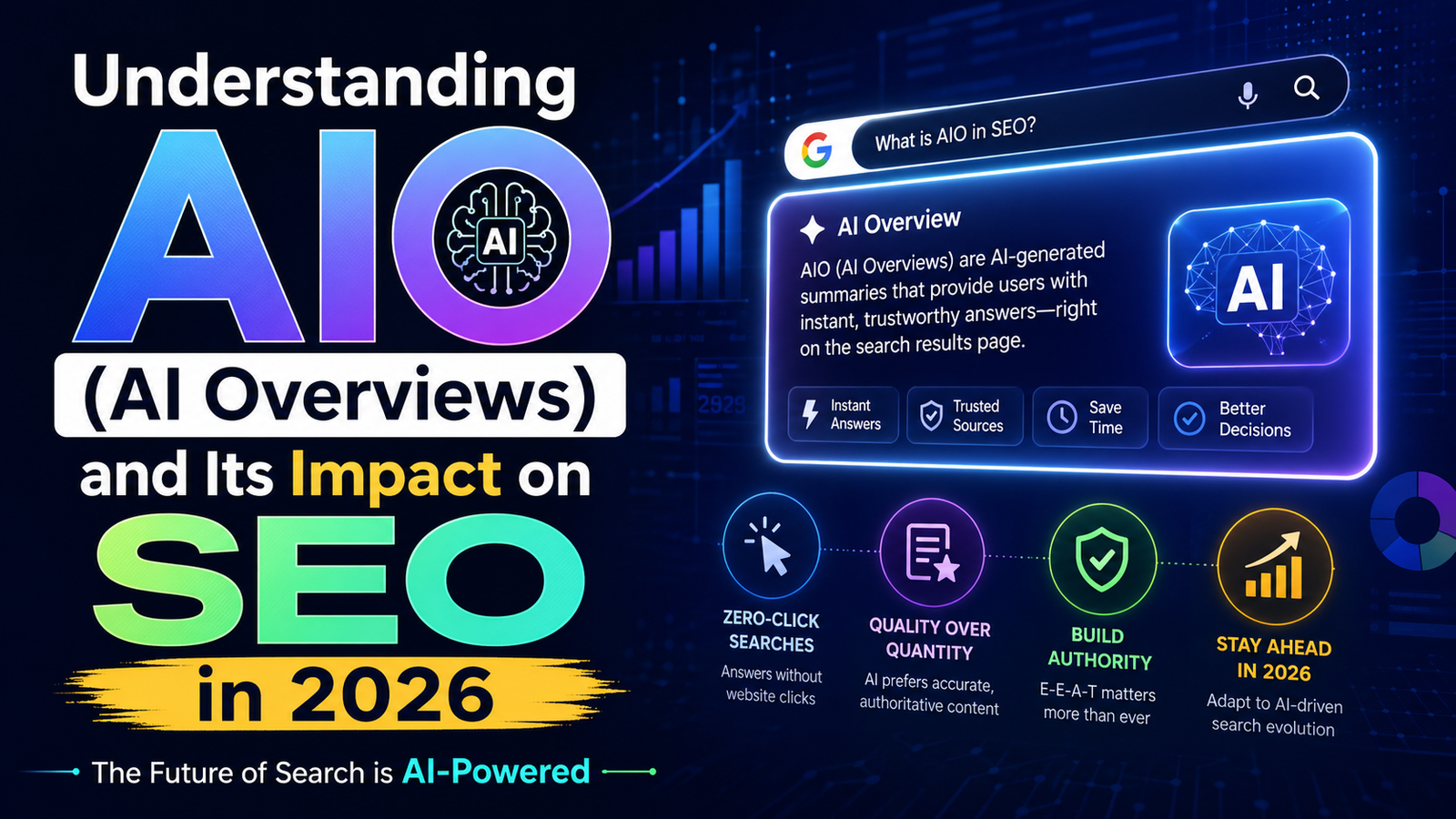 Understanding AIO (AI Overviews) and Its Impact on SEO in 2026
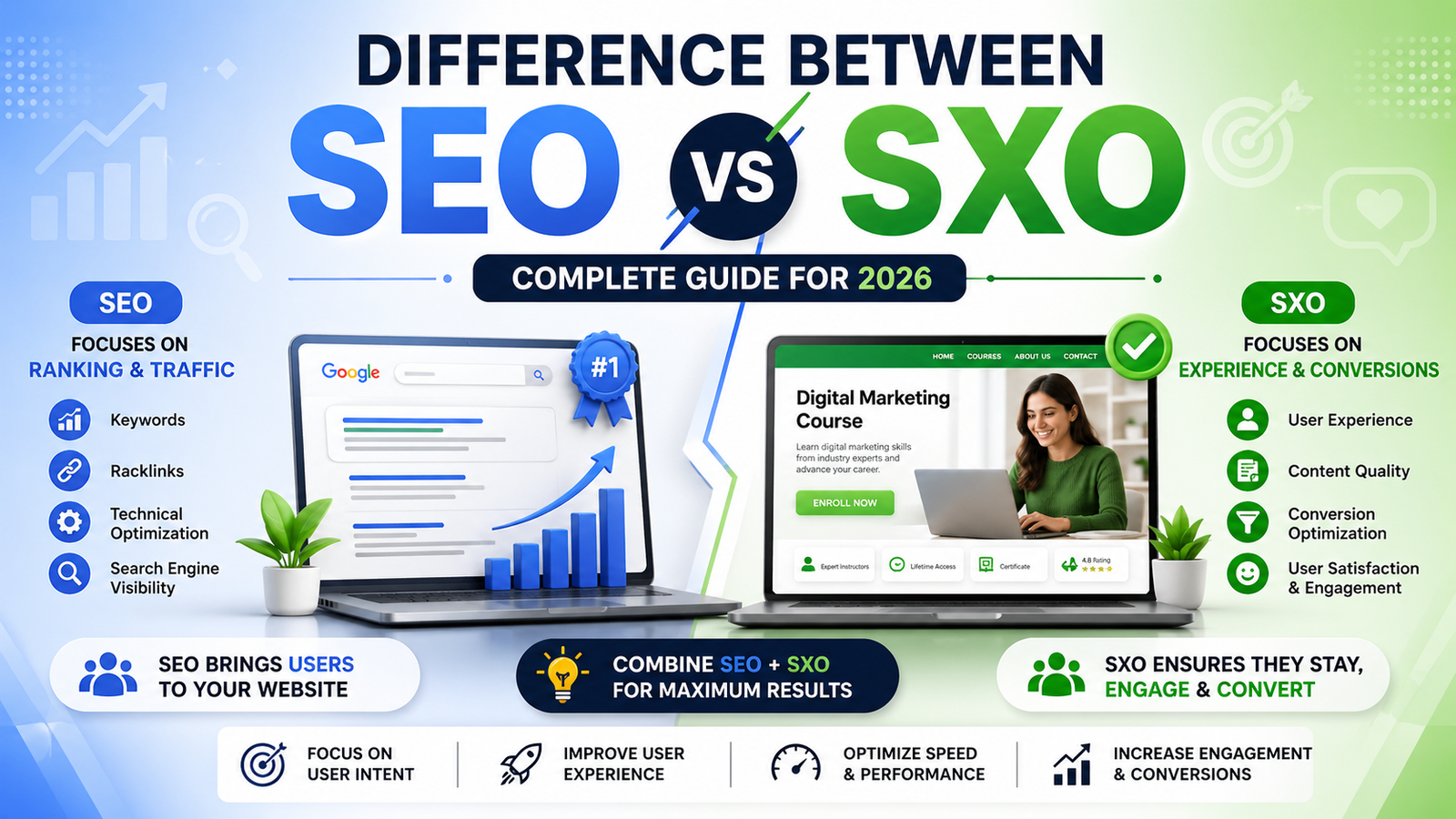 Difference Between SEO and SXO: Complete Guide for 2026
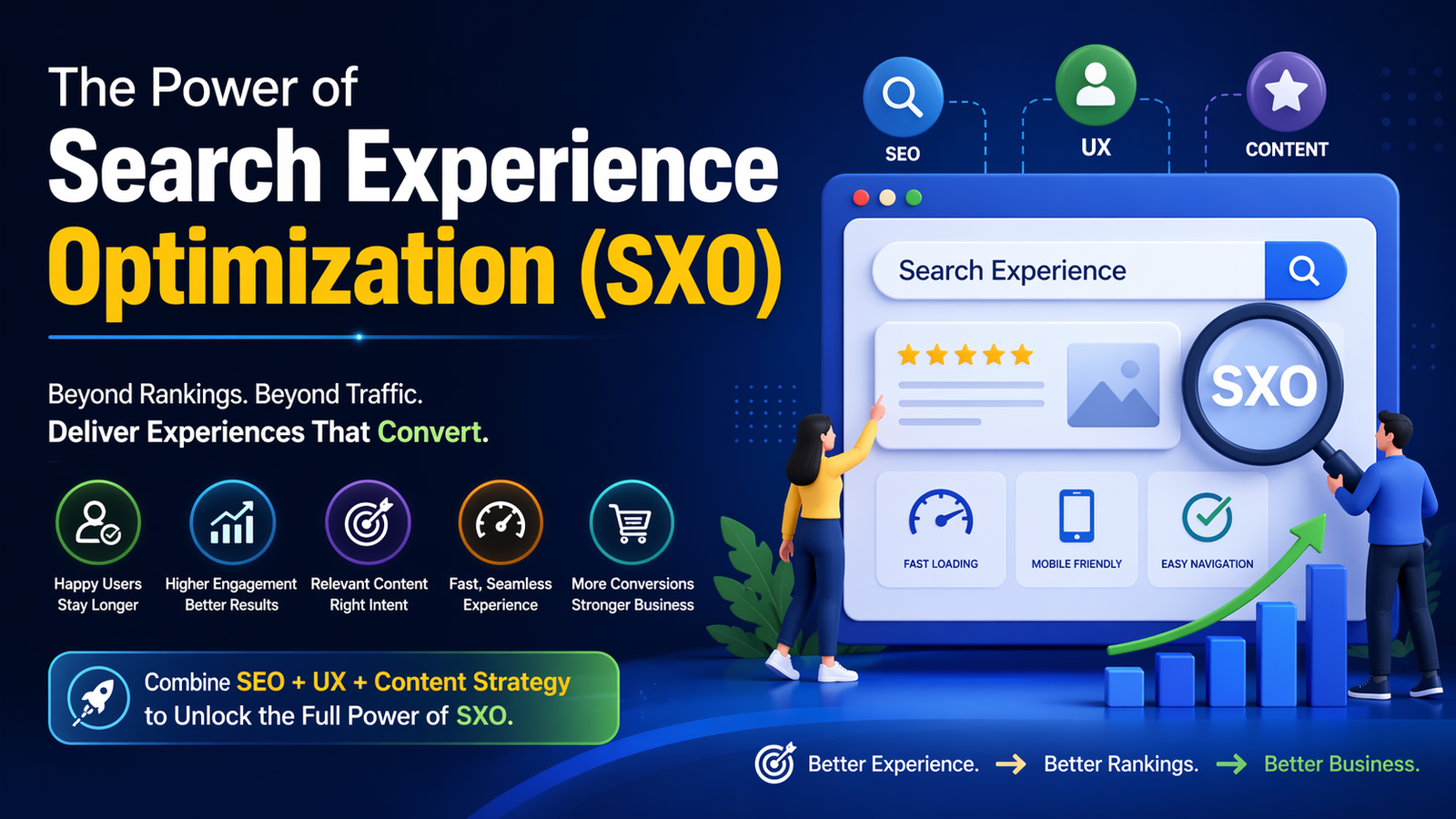 The Power of Search Experience Optimization (SXO)
 What is Agent Experience Optimization (AXO)? A Complete Guide for 2026
 What AIO, GEO, AEO, and SXO Actually Mean — and Why Marketers Should Care
 Google Ads vs Meta Ads — Which Is Better for Your Business in 2026?
 On-Page SEO Checklist for 2026 (Step-by-Step Guide)
 What is GMB & How to Rank on Google My Business in 2026 (Complete Guide)
 Google Digital Garage: Courses List, Certificates & Career Opportunities
 Prompt Engineering for Digital Marketers: Boost AI Results