
Top SEO Skills to Grow Your Digital Marketing Career in 2026
Search engine optimization (SEO) is no longer just a supporting tactic it’s the backbone of every successful digital marketing strategy. As we move into 2026, SEO is evolving faster than ever, driven by AI-powered search, mobile-first indexing, voice search, and shifting user behaviors. For digital marketers, simply knowing the basics of SEO won’t be enough; mastering advanced, specialized skills will be the key to staying competitive.
From understanding semantic search and structured data to leveraging AI tools for content optimization, the top SEO skills every digital marketer needs in 2026 go beyond traditional keyword research. They require a combination of technical expertise, creative content strategies, and data driven decision making.
In this comprehensive guide, we’ll break down the essential SEO skills, techniques, and tools that digital marketers must master in 2026. Whether you’re looking to boost website traffic, enhance user experience, or dominate search rankings, these skills will equip you to achieve measurable results and maintain a competitive edge in the digital landscape.
Beginners who want to start learning at zero cost can explore our list of free digital marketing courses with certificates.
Keyword Research & Semantic SEO
Keyword research is the backbone of any successful SEO strategy, but in 2026, it’s no longer enough to focus solely on high-volume keywords. Modern search engines prioritize context, relevance, and user intent, making semantic SEO an essential skill for every digital marketer.
Semantic SEO goes beyond exact-match keywords. It involves understanding the meaning behind searches and delivering content that fully satisfies a user’s query. Here’s what you need to master:
- Analyzing User Intent: Identify whether users are searching for information, products, services, or solutions. This ensures your content aligns with what they actually need.
- Using LSI and Related Keywords: Latent Semantic Indexing (LSI) and related keywords help search engines understand your content’s context. Include variations naturally within headings, subheadings, and body text.
- Advanced Keyword Tools: Platforms like Ahrefs, SEMrush, Moz, and Google Keyword Planner provide insights into search volume, competition, and trends. They also help identify long-tail opportunities that often convert better.
- Creating Topic Clusters: Organize content into clusters around main topics with pillar pages and supporting articles. This improves website authority and enhances internal linking.
- Competitor Analysis: Study top-ranking competitors to identify gaps and opportunities in keyword targeting. Use their content strategy to refine your own approach.
Pro Tip: Focus on long-tail and conversational keywords to capture users who are ready to engage or convert. In 2026, queries are increasingly natural language-based due to voice search and AI-powered search engines.
To stay updated with what’s coming next, read our detailed insights on future trends in digital marketing education by 2026.
Related Skills:
- Search Intent Mapping
- Content Gap Analysis
- Competitive Keyword Research
- Topic Clustering and Internal Linking
- Trend Analysis and SEO Forecasting
Why It Matters: A strong semantic SEO strategy ensures that your content not only ranks higher but also matches user intent, increases dwell time, and drives qualified traffic. Brands that master semantic keyword research are better positioned for featured snippets, voice search results, and AI-driven content discovery.
Technical SEO Expertise: The Backbone of High Performing Websites
In 2026, technical SEO is no longer optional it’s the foundation of every successful digital marketing strategy. A website that is technically optimized ensures that search engines can efficiently crawl, index, and understand your content, while providing a seamless user experience that boosts engagement and conversions.
Key Areas of Technical SEO Mastery:
- Website Speed Optimization:
- Enhance page load times using Core Web Vitals metrics, including LCP (Largest Contentful Paint), FID (First Input Delay), and CLS (Cumulative Layout Shift).
- Optimize images, implement lazy loading, and leverage browser caching.
- Minimize JavaScript and CSS render-blocking to improve both desktop and mobile performance.
- Mobile-First Indexing:
- Google prioritizes mobile versions of websites for ranking. Ensure responsive design and smooth navigation across all devices.
- Optimize touch elements, font sizes, and mobile layouts to improve usability and dwell time.
- Structured Data & Schema Markup:
- Implement JSON-LD schema to help search engines understand your content better.
- Use schema for articles, products, events, FAQs, and local business listings to enhance rich snippets and SERP visibility.
- Structured data improves click-through rates by making your listings more appealing in search results.
- Crawl Error Detection & Fixes:
- Regularly audit your website using tools like Google Search Console, Screaming Frog, or Ahrefs.
- Identify and resolve broken links, 404 errors, duplicate content, and redirect loops.
- Ensure proper XML sitemap submission and robots.txt configuration for efficient indexing.
- Secure Website Protocols (HTTPS & SSL):
- Secure your website with SSL certificates to ensure encrypted data transfer.
- HTTPS not only protects users but is also a confirmed ranking factor in Google’s algorithm.
- Maintain an updated certificate and monitor for security vulnerabilities.
Why Technical SEO Matters:
A technically optimized website is faster, safer, and more accessible for both users and search engines. Google favors websites that load quickly, are mobile-friendly, and provide clear structural information. Strong technical SEO leads to:
- Improved search rankings and visibility
- Reduced bounce rates and higher engagement
- Enhanced user trust and credibility
- Better ROI from organic traffic
In 2026, mastering technical SEO is essential for digital marketers aiming to stay competitive and deliver measurable results.
Learners planning certification should check our complete guide on digital marketing certification 2025 for updated requirements and benefits.
On Page SEO Mastery: Elevate Your Website’s Performance
On-page SEO is the art and science of optimizing individual web pages to improve both search engine rankings and user experience. In 2026, simply inserting keywords won’t suffice digital marketers must focus on a holistic approach that blends content quality, technical precision, and user engagement.
Here’s what every marketer should master:
- Crafting Compelling Meta Titles and Descriptions: Meta titles and descriptions are often the first impression users have of your page on search results. Write engaging, keyword rich titles that encourage clicks while clearly describing the page content. Use action words and maintain character limits (50–60 for titles, 150–160 for descriptions).
- Strategic Use of Header Tags (H1, H2, H3): Header tags structure your content, making it easier for readers and search engines to navigate. Use H1 for the main title, H2 for primary sections, and H3/H4 for subtopics. Incorporate primary and secondary keywords naturally within headers to improve relevancy.
- Optimizing Images for SEO: Every image should include descriptive ALT tags that explain the visual content while incorporating relevant keywords. Compress images for faster loading speeds and consider adding captions to enhance context. Visual content also improves dwell time and reduces bounce rate.
- Internal Linking for Seamless Navigation: Linking related pages within your website boosts page authority and guides users through your content ecosystem. Use descriptive anchor texts and connect relevant blog posts, services, or product pages to enhance SEO and user engagement.
- High Quality, Keyword Optimized Content: Focus on creating content that provides real value to readers. Integrate primary and secondary keywords naturally, answer common user questions, and maintain readability with short paragraphs, bullet points, and clear subheadings. Avoid keyword stuffing; instead, aim for semantic relevance.
- Enhanced User Experience: Beyond traditional SEO, ensure your page loads quickly, is mobile friendly, and offers a clean layout. UX signals like low bounce rate and higher time on page contribute significantly to search rankings.
Pro Tip: Incorporate your focus keyword within the first 100 words, naturally across headings and body text, and maintain a balance between optimization and readability for maximum SEO impact.
To understand how search is evolving beyond traditional SEO, explore our article on AEO changing the future of search engine optimization.
Content Marketing & SEO Writing in 2026
In 2026, content marketing continues to dominate as the cornerstone of successful SEO strategies. High quality, optimized content is no longer just about stuffing keywords it’s about creating meaningful, user centric content that resonates with your audience while satisfying search engine requirements.
Key Principles of Modern SEO Content:
- User-Centric & Informative:
- Focus on delivering real value to readers.
- Solve problems, answer questions, and provide actionable insights.
- Use a conversational tone that makes complex topics easy to understand.
- Voice Search & AI Optimization:
- Adapt content for natural language queries as voice search becomes more prevalent.
- Incorporate AI-powered SEO tools to identify trending topics, suggest keywords, and enhance readability.
- Optimize content for both text and AI-driven search snippets.
- Keyword Strategy:
- Use primary keywords strategically while naturally integrating secondary and long-tail keywords.
- Focus on semantic SEO understanding the meaning behind searches to align content with user intent.
- Avoid over-optimization; prioritize context and relevance.
- Content Structure for Readability:
- Break text into short, digestible paragraphs with clear subheadings (H2, H3).
- Use bullet points, numbered lists, and tables to improve scan-ability.
- Include visuals, infographics, and embedded media to complement the text and increase engagement.
- Content Lifecycle & Updates:
- Regularly audit and update existing content to maintain freshness and authority.
- Refresh outdated statistics, links, and examples to keep content relevant.
- Repurpose high performing content into new formats, such as videos, podcasts, or downloadable resources.
Advanced Skills Related to Content Marketing & SEO Writing:
- Content Strategy Development: Planning long term content calendars aligned with marketing goals.
- Topic Research & Gap Analysis: Identifying what your competitors are missing to gain a competitive edge.
- SEO Copywriting: Writing compelling headlines, meta descriptions, and calls to action that drive clicks.
- Content Performance Analysis: Using analytics to track engagement, dwell time, and conversion metrics.
Pro Tip: In 2026, integrating AI insights and semantic SEO with human creativity is the key to content that ranks, converts, and builds brand authority.
You can also learn about the next phase of AI-driven search by reading our guide on generative engine optimization (GEO).
Link Building & Digital PR: Strengthening Authority in 2026
In 2026, link building is not just about quantity—it’s about building credible, high-authority connections that boost your website’s trustworthiness and search engine rankings. Search engines increasingly value relevance, authority, and trustworthiness in backlinks, making strategic link building essential for digital marketers.
Key Strategies for Effective Link Building:
- Earning Links from Authoritative Sites: Focus on building relationships with industry leaders, bloggers, and reputable websites. High authority backlinks signal to Google that your content is trustworthy and valuable.
- Guest Posting & Influencer Outreach: Contribute guest articles to authoritative platforms in your niche. Collaborating with influencers not only drives traffic but also generates natural backlinks.
- Resource & Broken Link Building: Identify broken links on high ranking websites and suggest your relevant content as a replacement. Similarly, get your content listed on curated resource pages for added visibility.
- Digital PR Campaigns: Create shareable content such as infographics, studies, or interactive tools. Promote them to media outlets and niche blogs to earn mentions and links.
- Leveraging Social Shares: While social links may not directly boost SEO, they increase visibility, engagement, and the chance of organic backlinks from other sites.
Best Practices to Maximize Impact:
- Prioritize quality over quantity a few high authority links are more valuable than dozens of low quality ones.
- Build relevant links that match your niche to improve topical authority.
- Monitor your backlink profile regularly using tools like Ahrefs, SEMrush, or Moz to remove toxic links.
- Focus on long term relationships rather than quick link schemes trust and consistency matter.
Pro Tip: In 2026, Google’s algorithms are designed to detect unnatural linking patterns. Avoid link farms, paid links, or spammy directories. Sustainable link-building through digital PR and authentic outreach will give your brand authority, improve rankings, and enhance overall online visibility.
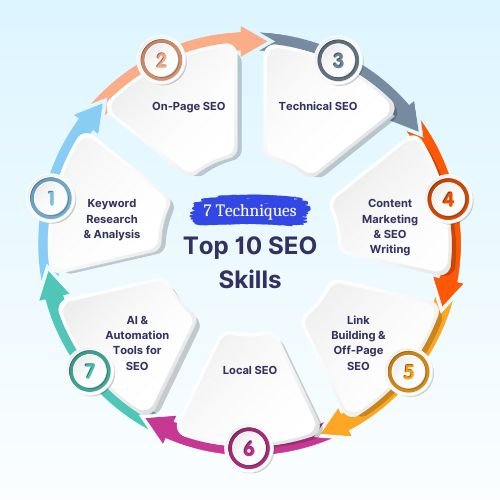
Local SEO Optimization: Boost Your Regional Visibility in 2026
For businesses aiming to attract a local or regional audience, Local SEO is no longer optional it’s a critical growth strategy in 2026. Local SEO ensures your business appears prominently in location based searches, driving foot traffic, leads, and revenue from nearby customers.
Key strategies include:
1. Optimizing Your Google Business Profile
Your Google Business Profile (GBP) is the cornerstone of local SEO. Ensure your profile is fully optimized:
- Add accurate business name, address, and phone number (NAP)
- Include high quality images, videos, and virtual tours
- Select relevant business categories and attributes
- Post regular updates about promotions, events, or new services
A well optimized GBP increases your chances of appearing in the local pack and Google Maps searches.
2. Consistent Local Citations and NAP
Citations from trustworthy local directories reinforce your business’s credibility. Ensure:
- NAP details are consistent across all listings
- Listings include detailed descriptions and relevant keywords
- High authority directories are prioritized (e.g., Yelp, Justdial, Sulekha)
Consistency prevents confusion for search engines and customers, boosting rankings.
3. Reviews and Reputation Management
Customer reviews directly impact your local search performance and trustworthiness:
- Encourage satisfied customers to leave positive reviews
- Respond promptly to both positive and negative feedback
- Showcase testimonials on your website and social media
- Use review snippets in structured data for rich search results
4. GeoTargeted Content Creation
Content tailored to specific locations strengthens local relevance:
- Write blog posts about local events, news, or guides
- Create landing pages for specific neighborhoods or cities
- Include geo specific keywords naturally (e.g., “best Italian restaurant in Connaught Place, Delhi”)
- Optimize images with local alt tags and metadata
Example: A Delhi based restaurant targeting NCR customers should focus on search queries like: best restaurant in Delhi, top dining spots in Delhi NCR, local food delivery Delhi, and family friendly restaurants near me.
By combining GBP optimization, consistent local citations, positive reviews, and geo targeted content, businesses can dominate local search results in 2026 and attract highly targeted traffic.
If you are actively looking for career opportunities, check the latest updates on digital marketing jobs in Delhi.
Analytics & Data Interpretation: Turning Data into Actionable SEO Insights
In 2026, SEO is no longer guesswork every strategy must be backed by solid data. Analytics and data interpretation are crucial for digital marketers who want to make informed decisions, optimize campaigns, and achieve measurable results. Understanding how to collect, analyze, and act on data separates successful marketers from the rest.
Key areas digital marketers should focus on include:
- Advanced Google Analytics 4 Insights: Track detailed user behavior, conversion paths, session duration, bounce rates, and traffic sources. GA4’s predictive metrics help identify trends before they become problems, allowing you to refine SEO campaigns proactively.
- Search Console Mastery: Monitor indexing status, keyword performance, CTR (Click-Through Rate), and impression data. Identify pages that underperform, uncover keyword opportunities, and resolve crawl errors that may affect ranking.
- A/B Testing for SEO Optimization: Experiment with on-page elements like meta titles, headings, CTAs, and internal linking structures. Test different content variations to see which version drives higher engagement, dwell time, and conversion rates.
- Measuring SEO ROI: Go beyond traffic metrics by tracking conversions, leads, and revenue generated through organic search. Understand which strategies yield the highest ROI and optimize budget allocation accordingly.
- Heatmaps and User Behavior Tools: Tools like Hotjar, Crazy Egg, or Microsoft Clarity reveal how users interact with your website. Heatmaps show scroll depth, click behavior, and user attention, helping refine page layouts, content placement, and CTAs for better engagement.
- Predictive Analytics: Leverage AI and machine learning to forecast trends in search behavior, user intent, and content performance. Predictive insights allow marketers to stay ahead of competitors by targeting high-opportunity keywords and topics.
Pro Tip: Data is only powerful when acted upon. Combine quantitative metrics with qualitative insights, like user feedback and session recordings, to create a holistic understanding of SEO performance. Regularly review analytics dashboards and implement iterative improvements for continuous growth.
By mastering analytics and data interpretation, digital marketers can not only track the success of SEO efforts but also identify untapped opportunities, improve user experience, and ensure every optimization move is backed by evidence, not guesswork.
AI-Powered SEO Tools: Transforming Digital Marketing in 2026
Artificial intelligence (AI) is no longer a futuristic concept it is a core component of modern SEO strategies. By 2026, every digital marketer must harness AI-powered tools to gain a competitive edge, streamline workflows, and make data driven decisions. AI enhances efficiency, accuracy, and creativity, allowing marketers to focus on strategy rather than repetitive tasks.
To stay ahead with the most updated curriculum and industry trends, read our comprehensive guide on digital marketing course 2026.
Here’s how AI is revolutionizing SEO:
1. AI Content Generation & Optimization
AI driven platforms can now generate high quality, human like content for blogs, landing pages, and meta descriptions. Marketers can:
- Draft SEO friendly articles in minutes while maintaining readability and engagement.
- Optimize meta titles, descriptions, and headings automatically for better CTR.
- Generate topic ideas based on trending search queries and user intent.
Pro Tip: Always review AI-generated content to ensure originality, brand voice consistency, and factual accuracy.
2. Predictive Keyword & Trend Analysis
AI tools can predict search trends and identify high potential keywords before competitors:
- Forecast seasonal or emerging keyword opportunities.
- Analyze competitor strategies and gaps to uncover untapped topics.
- Segment keywords by search intent for highly targeted campaigns.
Benefit: Predictive analysis helps marketers invest in keywords that drive conversions, not just traffic.
3. AI-Powered On-Page & Technical SEO
AI tools can automatically audit websites, highlighting issues that may impact rankings:
- Identify broken links, duplicate content, and slow loading pages.
- Suggest improvements for mobile responsiveness and Core Web Vitals.
- Automate structured data implementation (JSON-LD) for rich results.
Impact: Saves hours of manual SEO work while improving overall site performance.
4. Content Personalization & User Engagement
AI enables hyper-personalized experiences by analyzing user behavior and search patterns:
- Recommend content based on user preferences and browsing history.
- Optimize website structure to reduce bounce rates and improve dwell time.
- Tailor CTAs and landing pages for individual audience segments.
Pro Tip: Personalized content increases engagement and signals quality to search engines, boosting rankings.
5. Automation for Repetitive SEO Tasks
Repetitive tasks like reporting, backlink tracking, and performance monitoring can be automated:
- Generate weekly or monthly SEO performance reports automatically.
- Track backlinks and outreach campaigns efficiently.
- Monitor keyword rankings and SERP fluctuations in real-time.
Pro Tip: Automation reduces errors, frees up time for strategic thinking, and allows faster decision-making.
6. AI-Powered Content Audits & SEO Strategy
AI tools can analyze your entire website to:
- Determine content gaps and opportunities for improvement.
- Identify pages that need optimization for target keywords.
- Recommend internal linking structures to improve crawlability and authority.
Key Takeaway: Combining AI insights with human creativity ensures strategies are both data-driven and user-focused.
For learners searching for nearby training options, our guide on digital marketing course near me will help you choose the right institute.
Voice Search & Mobile SEO: Optimizing for Smart Devices in 2026
The proliferation of smartphones, smart speakers, and AI assistants like Siri, Alexa, and Google Assistant has revolutionized the way people search for information. In 2026, voice search and mobile SEO are no longer optional—they are critical for any digital marketing strategy.
Optimizing for voice search requires a focus on natural language and user intent. Unlike traditional typed searches, voice queries tend to be longer, conversational, and question-based. To capture this traffic:
- Target Conversational Long-Tail Keywords: Instead of short, generic keywords, use phrases that match how people speak. For example, instead of “digital marketing course,” target “best online digital marketing course for beginners in Delhi.”
- Optimize FAQs and Structured Data: Voice search often pulls answers from featured snippets. Creating well-structured FAQ sections with clear questions and concise answers improves your chances of being selected.
- Ensure Mobile Responsiveness and Speed: Google’s mobile-first indexing prioritizes sites that load quickly and display correctly on mobile devices. Optimize images, use responsive design, and minimize scripts that slow down performance.
- Leverage Natural, Conversational Content: Write content in a human-like tone that mirrors how users ask questions verbally. Incorporate terms like “how,” “where,” and “best way to” to align with voice queries.
- Use Schema Markup: Implement structured data to help search engines understand your content. Schema enhances your chances of being featured in rich snippets, which voice assistants often rely on.
Related Skills: Mobile User Experience (UX), Mobile First Indexing, Conversational Keyword Research, Structured Data Implementation, Voice SEO Strategy
Why It Matters: Optimizing for voice search and mobile SEO increases your visibility in smart device queries, improves local search presence, and enhances user experience ultimately driving higher engagement and conversions.
Pro Tip: Monitor voice search analytics to identify trending questions in your niche and update content regularly to stay ahead of evolving search behaviors.
E-A-T & Trustworthiness: Establishing Authority in 2026
In 2026, Google places tremendous importance on E-A-T Expertise, Authoritativeness, and Trustworthiness. Websites and brands that demonstrate high E-A-T not only rank better but also earn user trust, which is essential for conversions. For digital marketers, mastering E-A-T can make the difference between a mediocre SEO strategy and a high-performing one.
If you’re exploring the best learning options available, check out our detailed guide on the top digital marketing course to find the ideal program for your goals.
Key Strategies to Enhance E-A-T
- Showcase Expertise with High-Quality Content
- Publish in-depth, well researched content that demonstrates your knowledge.
- Include case studies, data backed insights, and actionable tips.
- Maintain accuracy by updating old content regularly to reflect the latest trends.
- Build Authoritativeness Through Credible Mentions
- Collaborate with authoritative publications, blogs, and industry portals.
- Earn backlinks from reputable sources, which signals authority to search engines.
- Leverage guest posting and interviews with industry experts to strengthen credibility.
- Enhance Trustworthiness with Transparent Practices
- Secure your website with SSL (HTTPS) to protect user data.
- Provide clear contact information, including address, phone, and email.
- Add privacy policies, disclaimers, and terms of service to build user confidence.
- Leverage Social Proof and Testimonials
- Collect and showcase genuine customer reviews, testimonials, and ratings.
- Highlight success stories, achievements, and certifications prominently.
- Encourage user-generated content to demonstrate real-world impact.
- Highlight Brand and Personal Authority
- Ensure that content authors have clear bios with expertise credentials.
- Display awards, certifications, or industry recognitions for both the brand and faculty.
- Consistently engage with your audience through blogs, social media, and webinars to reinforce authority.
Pro Tip: For digital marketing institutes like Code with TLS, showcasing faculty expertise, placement success stories, certified courses, and real student achievements significantly boosts both E-A-T and user trust. Search engines increasingly reward authoritative, transparent, and trustworthy websites, making these strategies critical for sustainable SEO success in 2026.
Video SEO & Visual Content
In 2026, visual content is no longer optional it’s essential. Videos, infographics, and other rich media formats significantly enhance user engagement, increase dwell time, and can dramatically improve search engine rankings. Digital marketers must master video SEO and strategic visual content integration.
Key strategies include:
- Optimizing video platforms: Ensure your videos on YouTube, Vimeo, or social media platforms are fully optimized. Use clear, descriptive titles, keyword rich descriptions, and tags that reflect search intent.
- Compelling thumbnails and metadata: A visually appealing thumbnail increases click-through rates (CTR). Metadata, including captions and transcripts, helps search engines understand your video content, improving indexing.
- Integrating video on web pages: Embedding videos on landing pages or blog posts increases engagement and dwell time. Combine videos with supporting text, images, and CTAs for better SEO impact.
- Interactive and shareable content: Use videos to explain complex topics, create tutorials, or share testimonials. Interactive visual content encourages shares, backlinks, and boosts social signals.
- Structured data for videos: Implement VideoObject schema to help Google display rich results in search listings, improving visibility.
Pro Tip: Focus on creating videos that provide real value to your audience. Educational, problem-solving, or tutorial-style videos not only attract viewers but signal authority and trustworthiness to search engines.
For learners looking to join a local training center, check out our complete guide on digital marketing institute in East Delhi to find the best options near you.
Continuous Learning & SEO Adaptability
SEO is constantly evolving, and what works today may be outdated tomorrow. Staying ahead requires continuous learning, experimentation, and adaptability. Successful digital marketers in 2026 are those who embrace a growth mindset and proactively update their strategies.
Key practices include:
- Stay updated with Google’s algorithm changes: Regularly monitor updates like core algorithm shifts, AI-driven ranking changes, or new search features. Understanding these trends allows you to adjust strategies proactively.
- Engage in professional learning: Attend webinars, workshops, and SEO conferences. Courses from reputable platforms provide structured learning and exposure to real-world case studies.
- Experiment and measure results: SEO is a combination of science and creativity. Test different strategies, measure performance metrics like CTR, bounce rate, and dwell time, and refine your approach based on data.
- Leverage AI and emerging tools: AI-powered tools help with content optimization, predictive keyword research, and automating repetitive SEO tasks. Staying familiar with these tools keeps your campaigns efficient and innovative.
- Follow authoritative SEO blogs and communities: Resources like Moz, SEMrush, Search Engine Journal, and Ahrefs blogs provide insights, case studies, and expert opinions. Joining SEO communities and forums fosters knowledge sharing.
Pro Tip: Build a habit of learning weekly. Even 30 minutes reviewing SEO updates or testing new strategies can give you a competitive edge. Adaptability is the most valuable SEO skill in a fast changing digital landscape.
If you want to speak with our experts or enroll in a course, feel free to visit our contact us page for quick assistance.
Conclusion
Mastering the top SEO skills every digital marketer needs in 2026 is crucial for building a successful online presence. From keyword research and technical SEO to AI-driven optimization and E-A-T practices, these skills empower marketers to drive traffic, engagement, and revenue.
Digital marketers who continuously update their skill set, leverage the latest tools, and implement effective strategies will thrive in 2026 and beyond.
If you want to learn these in detail and get hands on experience, explore our digital marketing courses at Code with TLS, where industry experts guide you through every essential SEO skill for 2026.
Call Us
+91 85278 66980
Email Us
Visit Us
2/81-82, Ground Floor, Lalita Park, Gali No - 2, Laxmi Nagar, New Delhi - 110092
FAQs – SEO Skills & Courses
Q1. What is the full form of SEO?
A: SEO stands for Search Engine Optimization. It is the process of optimizing websites and content to rank higher in search engine results pages (SERPs), increase organic traffic, and improve online visibility. SEO skills include keyword research, on-page and off-page optimization, technical SEO, content strategy, link building, and analytics.
Q2. Which is the best SEO training institute in Delhi?
A: The best SEO training institute in Delhi is one that offers comprehensive courses covering technical SEO, on-page and off-page optimization, content marketing, and real-world projects. Institutes like Pankaj Digital Edge Institute are highly recommended for their expert trainers, placement assistance, and industry-focused curriculum.
Q3. Where can I find a digital marketing course near me with fees?
A: You can search for digital marketing courses near me with fees using Google Maps or local listings. Institutes like Code with TLS, Pankaj Digital Edge, and others offer courses with transparent fee structures, flexible batches, and certifications. Fees usually depend on the course duration and the modules included.
Q4. Is there an SEO course in Patna?
A: Yes, several institutes in Patna offer SEO courses for beginners and advanced learners. These courses cover keyword research, on-page and off-page SEO, link building, and Google Analytics. You can also opt for online SEO courses that allow learning from Patna or anywhere in India.
Q5. Where can I enroll for an SEO course in Delhi?
A: There are multiple options for an SEO course in Delhi, including classroom-based and online programs. Institutes like Code with TLS and Pankaj Digital Edge provide industry-relevant curriculum, practical assignments, and placement support to help learners become skilled SEO professionals.
Q6. Can I learn SEO in Mumbai?
A: Absolutely! Several institutes offer SEO courses in Mumbai, covering advanced techniques such as technical SEO, AI-driven SEO strategies, and local SEO optimization. Online courses are also available if you prefer flexible learning schedules.
Q7. What is the best SEO course in India?
A: The best SEO course in India combines theoretical knowledge with practical exposure. Look for programs that cover keyword research, on-page/off-page SEO, technical SEO, analytics, and live projects. Institutes like Code with TLS, Pankaj Digital Edge, and other reputed academies offer top-notch training with certification and placement assistance.
Recent Posts
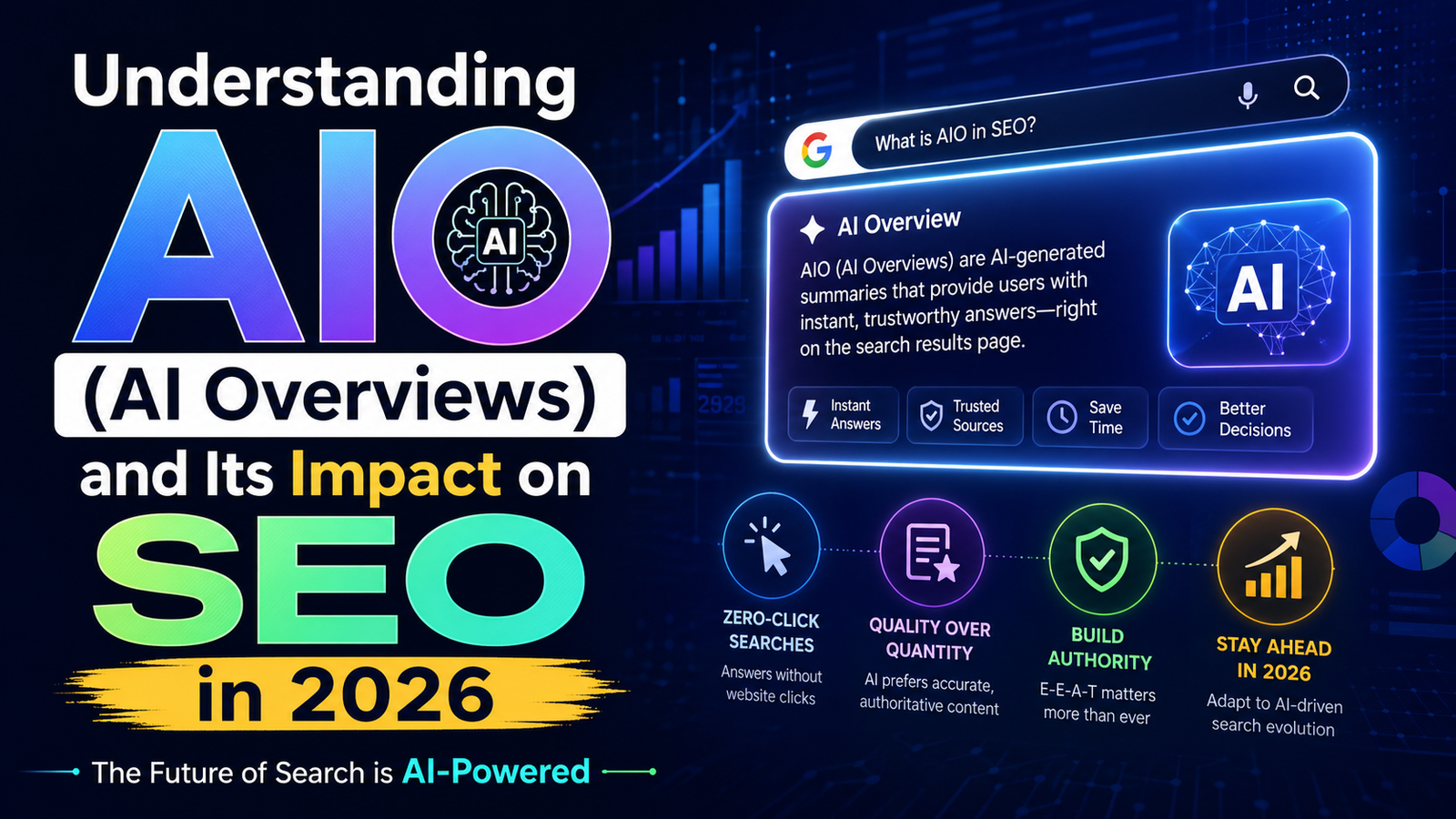 Understanding AIO (AI Overviews) and Its Impact on SEO in 2026
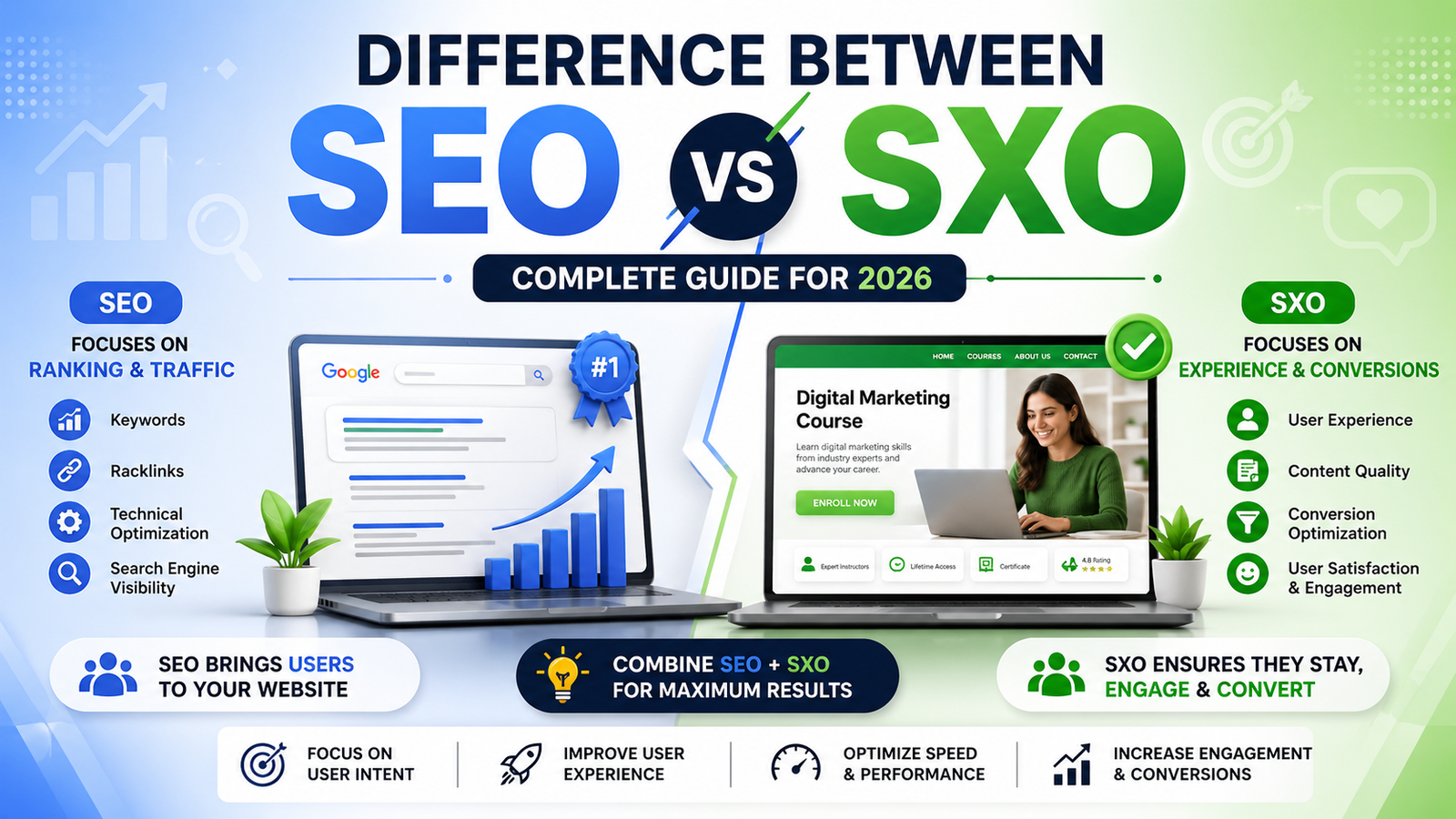 Difference Between SEO and SXO: Complete Guide for 2026
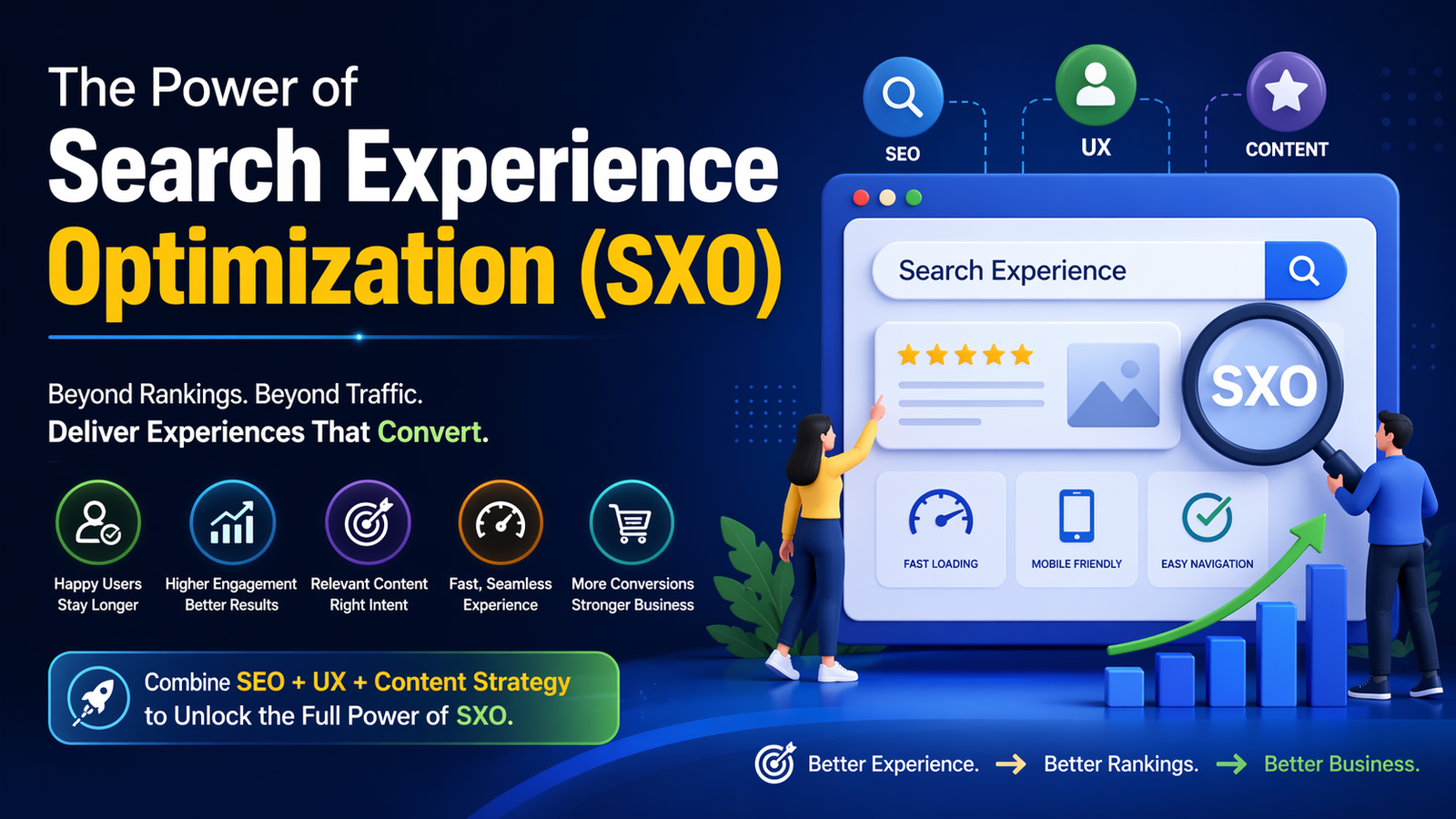 The Power of Search Experience Optimization (SXO)
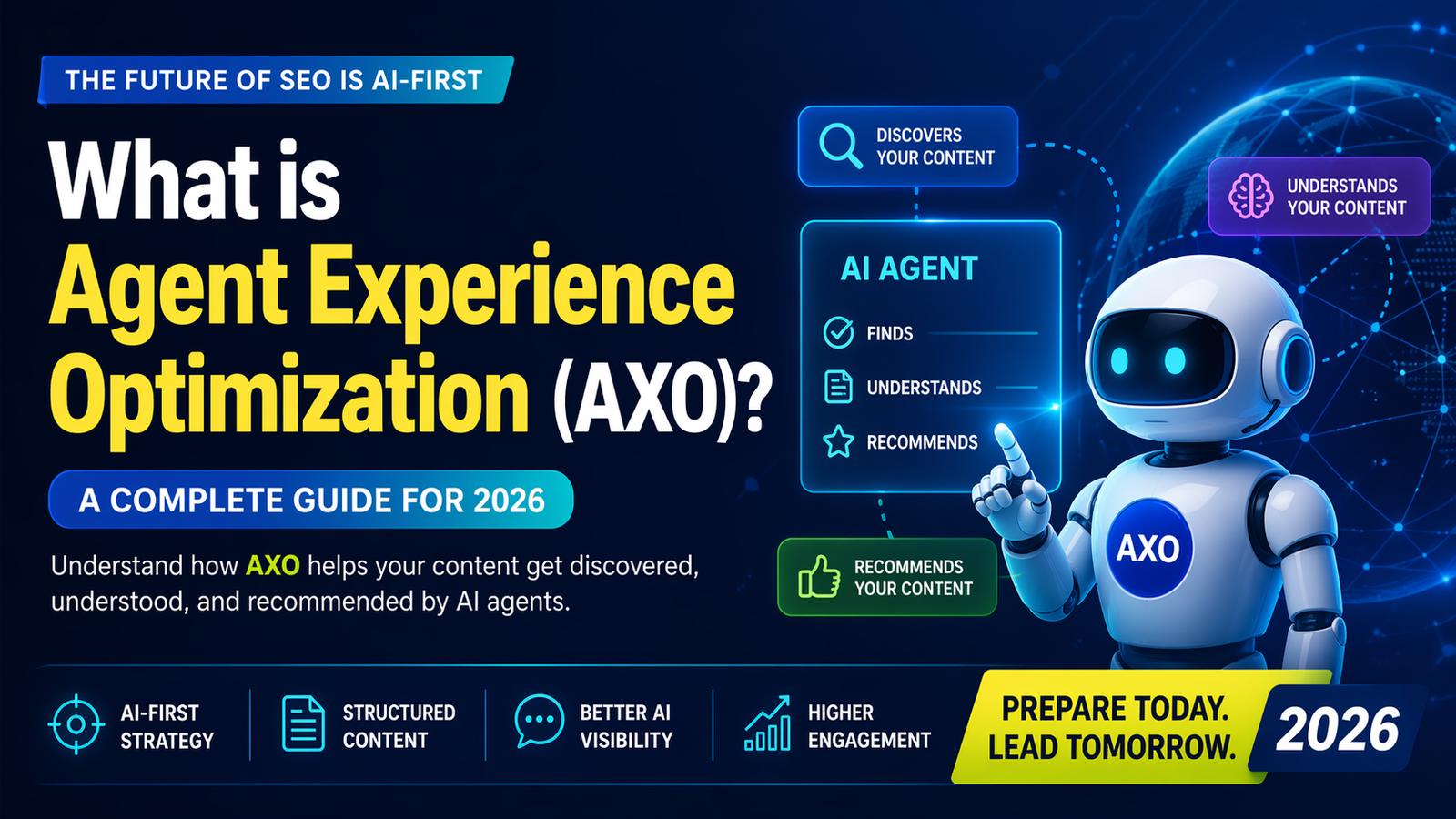 What is Agent Experience Optimization (AXO)? A Complete Guide for 2026
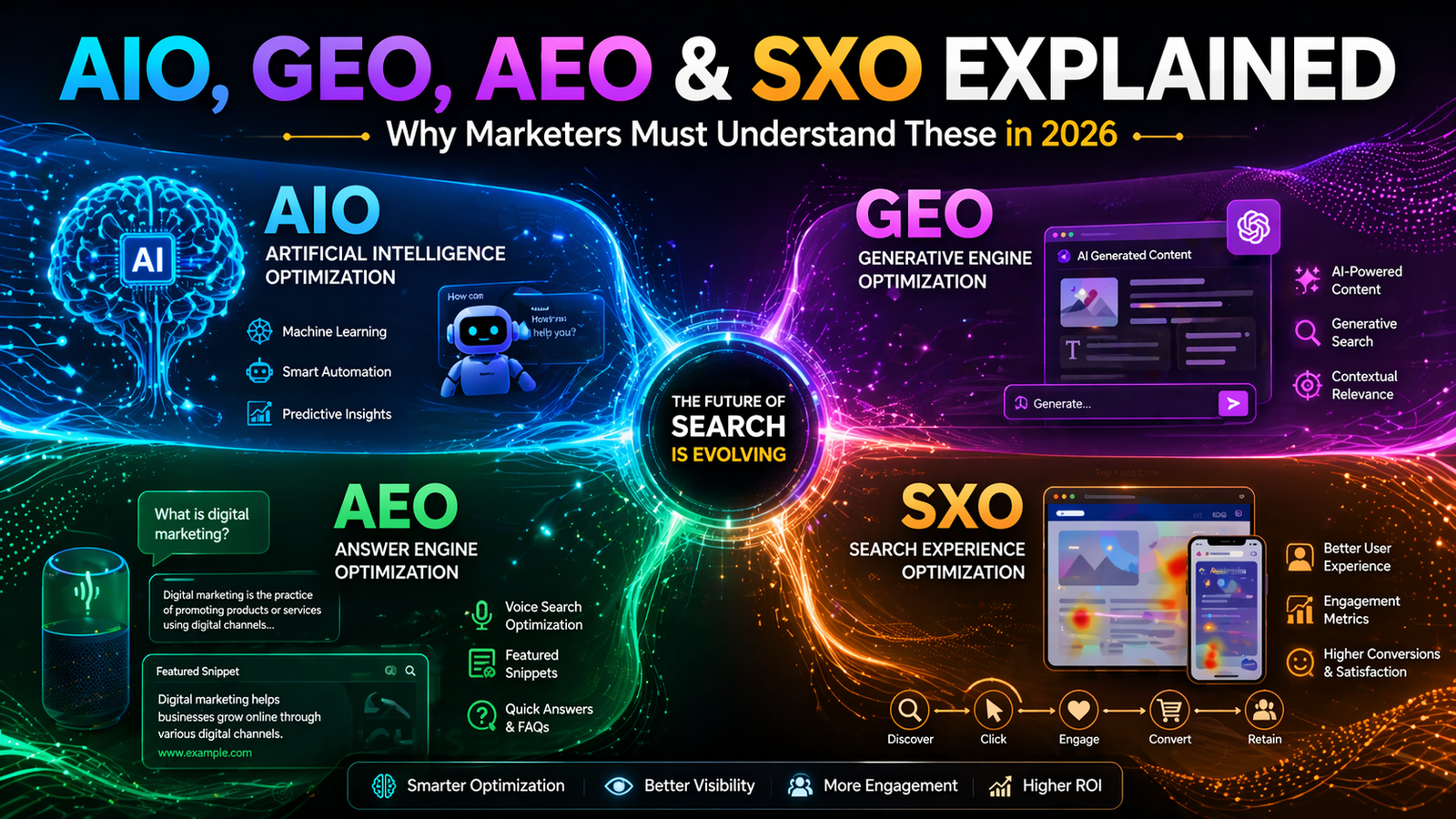 What AIO, GEO, AEO, and SXO Actually Mean — and Why Marketers Should Care
 Google Ads vs Meta Ads — Which Is Better for Your Business in 2026?
 On-Page SEO Checklist for 2026 (Step-by-Step Guide)
 What is GMB & How to Rank on Google My Business in 2026 (Complete Guide)
 Google Digital Garage: Courses List, Certificates & Career Opportunities
 Prompt Engineering for Digital Marketers: Boost AI Results