
SEO vs SEM: How Do They Work Together to Drive Traffic and Growth
In today’s competitive digital landscape, businesses can no longer rely on just one online marketing strategy to attract customers. When people search online, they expect instant, relevant results and brands must be visible at the right moment. This is where seo vs sem becomes a critical discussion. Search Engine Optimization (SEO) and Search Engine Marketing (SEM) are often seen as separate or even competing strategies, but in reality, they work best when used together.
SEO focuses on building long-term organic visibility, while SEM delivers immediate results through paid advertising. When combined strategically, they create a powerful system that boosts traffic, improves conversions, and strengthens brand authority. In this guide by Code with TLS, we will break down SEO vs SEM in simple terms, explain how they complement each other, and show how businesses in India and globally can use both to achieve sustainable digital growth.
What’s the Difference Between SEO and SEM?
So, what truly separates SEO from SEM? The key difference lies in how traffic is generated.
SEO focuses exclusively on optimizing a website to attract organic search traffic. This includes improving content quality, keyword relevance, site structure, and technical performance so that pages rank naturally in search engine results.
SEM, on the other hand, takes a broader approach. It combines organic search strategies with paid search efforts, such as pay per click (PPC) campaigns and programmatic advertising, to increase visibility and drive traffic more quickly.
In simple terms, SEO is a part of SEM. While SEO concentrates on earning traffic over time, SEM leverages both organic reach and paid placements to capture users at different stages of the search journey.
That said, the role of paid search is evolving. Many SEO professionals are now re-evaluating its long term value due to shifting search behavior and the rapid rise of AI-driven search experiences, including Google’s AI Overviews (formerly SGE). These changes are influencing how users interact with search results and where brands should invest their efforts.
Now that the difference is clear, let’s explore SEO and SEM in more detail to understand how each strategy works and how they can be used together effectively.
To stay ahead of algorithm changes, marketers should follow the latest AI SEO strategies 2026 for better rankings and automation.
What Is SEO? (Search Engine Optimization)
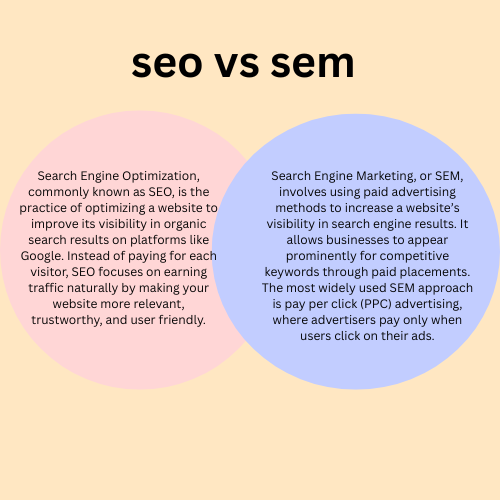
Search Engine Optimization, commonly known as SEO, is the practice of optimizing a website to improve its visibility in organic search results on platforms like Google. Instead of paying for each visitor, SEO focuses on earning traffic naturally by making your website more relevant, trustworthy, and user friendly.
The primary objective of SEO is to attract qualified and consistent visitors who are actively searching for your products, services, or information.
Categories of SEO (Search Engine Optimization)
1. On Page SEO
On page SEO focuses on optimizing elements within your website to improve rankings and relevance.
Includes:
- Keyword optimization
- Content quality and structure
- Meta titles and descriptions
- Heading tags (H1–H6)
- Internal linking
- Image optimization
2. Off Page SEO
Off page SEO involves actions taken outside your website to improve authority and trust.
Includes:
- Backlink building
- Brand mentions
- Guest posting
- Social signals (indirect impact)
- Online reputation management
3. Technical SEO
Technical SEO ensures search engines can crawl, index, and rank your site efficiently.
Includes:
- Website speed optimization
- Mobile responsiveness
- XML sitemaps
- Robots.txt
- HTTPS security
- Core Web Vitals
4. Local SEO
Local SEO helps businesses rank for location-based searches.
Includes:
- Google Business Profile optimization
- Local keywords
- NAP consistency (Name, Address, Phone)
- Local citations
- Reviews and ratings
Key Features of SEO (Search Engine Optimization)
1. Organic Traffic Generation
SEO helps websites attract non paid traffic from search engines by ranking naturally for relevant search queries.
2. Keyword & Search Intent Focus
SEO targets the right keywords based on user intent, ensuring content matches what people are actually searching for.
3. Quality Content Creation
SEO prioritizes valuable, informative, and user-focused content that answers search queries clearly and accurately.
4. Authority & Backlink Building
Search engines rank websites higher when they earn quality backlinks from trusted and relevant sources.
5. User Experience Improvement
SEO enhances navigation, readability, and page structure, resulting in better engagement and lower bounce rates.
6. Long Term Results
Unlike paid ads, SEO provides sustainable growth. Once rankings improve, traffic continues without ongoing ad spend.
7. Cost Effective Marketing
SEO reduces dependency on paid advertising, making it a high ROI digital marketing strategy.
8.Schema Markup
Schema markup is a form of structured data added to your website that helps search engines better interpret and present your content in search results. By using schema, you provide clear context about your pages, such as articles, FAQs, products, reviews, or events.
Before optimizing any local business, performing a complete local SEO audit is essential to identify gaps and opportunities.
9. Measurable Performance
SEO performance can be tracked through:
- Keyword rankings
- Organic traffic growth
- Conversions and engagement metrics
This data helps refine strategies continuously.
What Is SEM? (Search Engine Marketing)
Search Engine Marketing, or SEM, involves using paid advertising methods to increase a website’s visibility in search engine results. It allows businesses to appear prominently for competitive keywords through paid placements.
The most widely used SEM approach is pay per click (PPC) advertising, where advertisers pay only when users click on their ads.
Categories of SEM (Search Engine Marketing)
If you are planning skill upgrades, explore the highest paid digital marketing skills that employers demand today.
1. Paid Search Advertising (PPC)
This is the most common SEM category, where advertisers pay for clicks on search ads.
Includes:
- Google Ads
- Bing Ads
- Keyword bidding
- Text based search ads
2. Display Advertising
Display ads appear on websites, apps, and platforms within ad networks.
Includes:
- Banner ads
- Responsive display ads
- Visual and graphic ads
- Google Display Network
3. Shopping Ads
Used mainly by e-commerce businesses to promote products directly in search results.
Includes:
- Google Shopping ads
- Product listing ads (PLAs)
- Price and product comparison ads
4. Video Advertising
Video based ads shown on platforms like YouTube and partner networks.
Includes:
- YouTube in stream ads
- Video discovery ads
- Short form video ads
5. Remarketing / Retargeting
Targets users who previously visited your website but didn’t convert.
Includes:
- Search remarketing
- Display remarketing
- Dynamic retargeting ads
6. Local Search Ads
Focused on promoting businesses in specific geographic areas.
Includes:
- “Near me” search ads
- Google Maps ads
- Location based ad extensions
7. App Promotion Ads
Used to promote mobile app installs and engagement.
Includes:
- App install campaigns
- In app engagement ads
8. Programmatic Advertising
Uses automated systems and AI to buy and place ads in real time.
Includes:
- Real time bidding (RTB)
- Automated ad placement
- Audience targeting
Key Features of SEM (Search Engine Marketing)
1. Instant Search Visibility
SEM allows businesses to appear at the top of search engine results almost immediately. As soon as campaigns go live, ads can start driving traffic, making SEM ideal for quick exposure.
2. Paid Advertising Model
SEM works on a paid model, most commonly pay-per-click (PPC). Advertisers only pay when users click on their ads, allowing controlled and measurable spending.
3. Keyword Targeting & Bidding
SEM enables precise keyword targeting. Businesses bid on keywords relevant to their products or services to reach users with strong purchase intent.
4. Audience & Location Targeting
SEM allows targeting based on location, device, language, time, and user behavior. This makes it highly effective for local, national, and global campaigns.
5. Flexible Budget Control
Advertisers can set daily or monthly budgets and adjust them at any time. This flexibility helps manage costs and scale campaigns based on performance.
6. Measurable & Data Driven Results
SEM provides detailed performance data, including impressions, clicks, conversions, and ROI. This data helps optimize campaigns continuously.
7. Conversion Focused Approach
SEM campaigns are designed to drive specific actions such as leads, sales, or sign ups through optimized ads and landing pages.
8. Short Term Impact
While SEM delivers fast results, traffic depends on ad spend. Once the budget stops, visibility and traffic also stop.
Students living nearby can consider enrolling at a digital marketing institute in East Delhi for location-based classroom training.
How SEO and SEM Work Together
The discussion around seo vs sem should not be about selecting one strategy over the other. The real value lies in understanding how SEO and SEM complement each other to create stronger, more effective search marketing results.
Shared Keyword Insights
Both SEO and SEM are driven by keyword research. However, paid search campaigns deliver faster and more actionable data. SEM reveals:
- Keywords that generate the highest conversions
- How users search and what motivates clicks
- Ad performance and click-through behavior
These insights help refine SEO content strategies by focusing on keywords with proven demand and clear user intent.
Stronger Search Visibility
When SEO and SEM are used together, brands gain greater visibility on search engine results pages. Appearing in both organic listings and paid ads:
- Strengthens brand trust and recognition
- Improves overall click through rates
- Increases control over highly competitive search terms
This dual presence reinforces authority and keeps competitors from capturing attention.
Faster Testing and Smarter Optimization
SEM allows quick experimentation with headlines, offers, and landing pages. Winning ad variations can be applied directly to SEO efforts, including:
- Optimized meta titles and descriptions
- High performing blog headlines
- More compelling call to action messaging
By combining long term SEO growth with short term SEM insights, businesses can continuously optimize their search strategy for better performance.
Benefits of Combining SEO and SEM
Integrating SEO and SEM creates a more powerful and reliable search marketing strategy. Instead of relying on a single channel, businesses can cover both immediate and long-term growth opportunities through a unified approach.
To understand where the industry is heading, keep track of the top digital marketing trends shaping the future of online marketing.
Key Advantages
- Greater search visibility: Appearing in both organic results and paid listings increases brand exposure across competitive keywords.
- Short-term and long-term balance: SEM delivers quick traffic, while SEO builds sustainable visibility over time.
- Improved return on investment: Using shared data and insights helps optimize spending and maximize overall performance.
- Enhanced brand credibility: Consistent visibility across search results strengthens trust and brand recognition.
- Smarter, data-led decisions: Performance data from paid campaigns helps refine SEO strategies and content planning.
Whether for startups or established businesses, combining SEO and SEM creates a stable foundation for consistent and scalable growth.
SEO vs SEM for Indian Businesses
In India’s fast growing digital market, competition for online visibility is intense. Businesses targeting local and global audiences benefit greatly from combining SEO and SEM.
Use Cases in the Indian Market
- Educational platforms promoting digital marketing courses
- Local service businesses targeting “near me” searches
- E-commerce brands competing in high intent keywords
- IT and SaaS companies targeting international clients
At Code with TLS, we help businesses design balanced strategies that combine organic growth with paid precision.
Learners from western regions can also explore options at a digital marketing institute in West Delhi offering professional certification programs.
Common Myths About SEO vs SEM
Myth 1: SEO Is Free
SEO requires time, expertise, and consistent effort. While clicks are free, optimization is not.
Myth 2: SEM Replaces SEO
Paid ads stop working when the budget ends. SEO ensures ongoing visibility.
Myth 3: SEO and SEM Compete
In reality, SEO and SEM complement each other when aligned properly.
If you are confused about learning modes, this comparison of online vs offline digital marketing courses will help you decide wisely.
When Should You Focus More on SEO or SEM?
There is no single strategy that works for every business. The decision to prioritize SEO or SEM depends on your goals, budget, and how quickly you need results. Understanding the strengths of each approach helps you invest wisely.
You should focus more on SEO when your objective is long-term, sustainable growth. SEO is ideal if you have a limited marketing budget and want to reduce dependence on paid advertising over time. It is also the right choice when building brand authority, trust, and consistent organic traffic is a priority. Although SEO takes time to show results, it delivers lasting value once strong rankings are achieved.
On the other hand, SEM becomes more important when speed is critical. If you need immediate traffic, quick leads, or fast visibility such as during a product launch or seasonal campaign SEM provides instant exposure. It is also effective in highly competitive markets where organic rankings are difficult to achieve quickly.
In most cases, the strongest results come from using both SEO and SEM together. While SEM drives immediate performance, SEO builds a stable foundation that supports long term success.
Frequently asked question
What is the difference between SEO, SEM, and SMM?
SEO focuses on increasing organic search visibility through website optimization. SEM combines organic SEO and paid search advertising to gain visibility on search engines. SMM uses social media platforms to promote brands, engage users, and drive traffic through organic posts and paid social ads.
What is the difference between SEO vs SEM vs PPC?
SEO drives organic traffic without paid ads. SEM includes both SEO and paid advertising, while PPC is a paid model within SEM where advertisers pay for each click on their ads.
Can you give real examples of SEO vs SEM?
An SEO example is ranking a blog organically for “best digital marketing course.” A SEM example is running Google Ads for the same keyword to appear instantly at the top of search results.
How do SEO and SEM work in digital marketing?
In digital marketing, SEO builds long-term organic visibility, while SEM delivers quick results through paid campaigns. Together, they create a balanced strategy for sustainable and immediate traffic growth.
Is there a Difference Between SEO and SEM PDF?
Yes. A Difference Between SEO and SEM PDF usually explains organic vs paid search, costs, timelines, and use cases. Many marketers use PDFs for training, presentations, or client education.
What is SEO vs SEM PDF used for?
SEO vs SEM PDFs are commonly used for learning, teaching digital marketing concepts, and explaining strategies to clients or teams in a structured format.
Which is better: SEO or SEM?
Neither is better on its own. SEO is better for long-term growth and trust, while SEM is better for fast visibility and leads. The best results come from combining both.
How does Semrush help with SEO vs SEM?
Semrush helps analyze keywords, competitors, and ad strategies. It provides insights for both SEO and SEM, including keyword rankings, PPC data, and traffic analysis.
Conclusion: SEO vs SEM Is Not a Choice, It’s a Strategy
The debate around seo vs sem is not about choosing one over the other. It is about understanding how both strategies work together to create a strong digital presence. SEO builds trust, authority, and long-term traffic. SEM delivers speed, visibility, and immediate conversions. When combined, they form a complete search marketing strategy that drives consistent results.
If you want to master SEO, SEM, and modern digital marketing strategies, Code with TLS offers industry focused training designed for real-world success. Take the next step toward smarter search marketing and sustainable growth.
Call Us
+91 85278 66980
Email Us
Visit Us
2/81-82, Ground Floor, Lalita Park, Gali No - 2, Laxmi Nagar, New Delhi - 110092
Recent Posts
 Understanding AIO (AI Overviews) and Its Impact on SEO in 2026
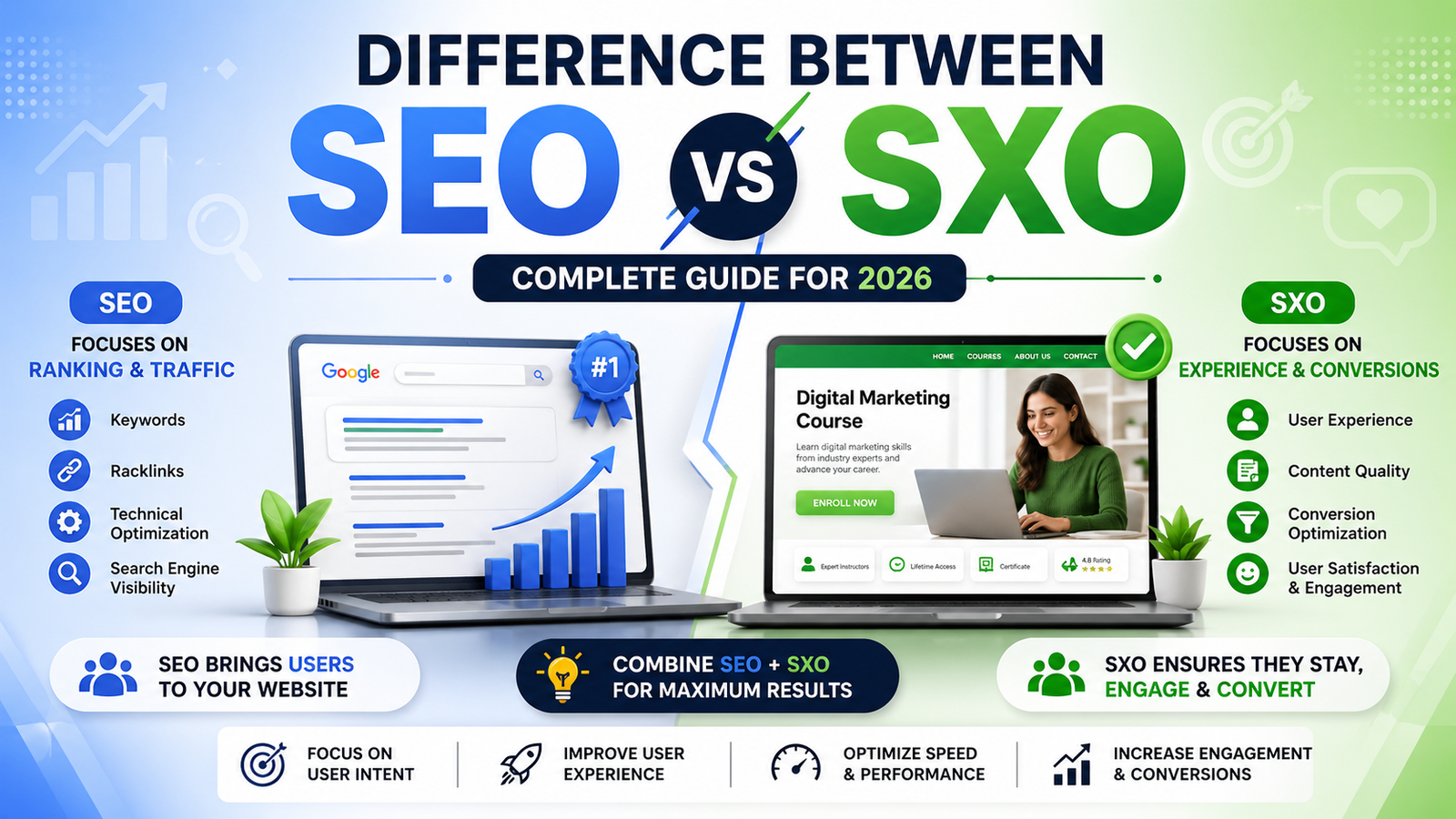 Difference Between SEO and SXO: Complete Guide for 2026
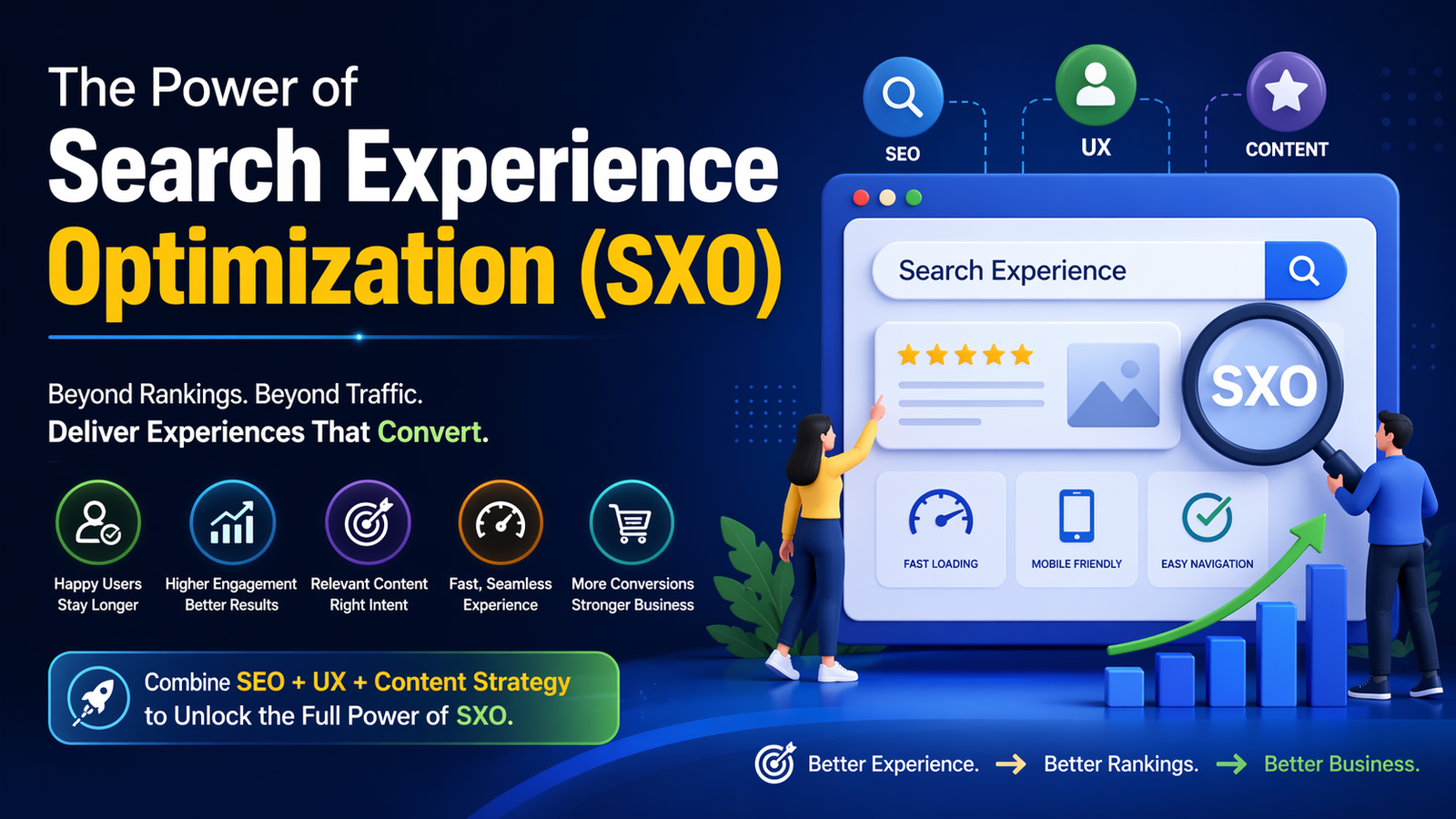 The Power of Search Experience Optimization (SXO)
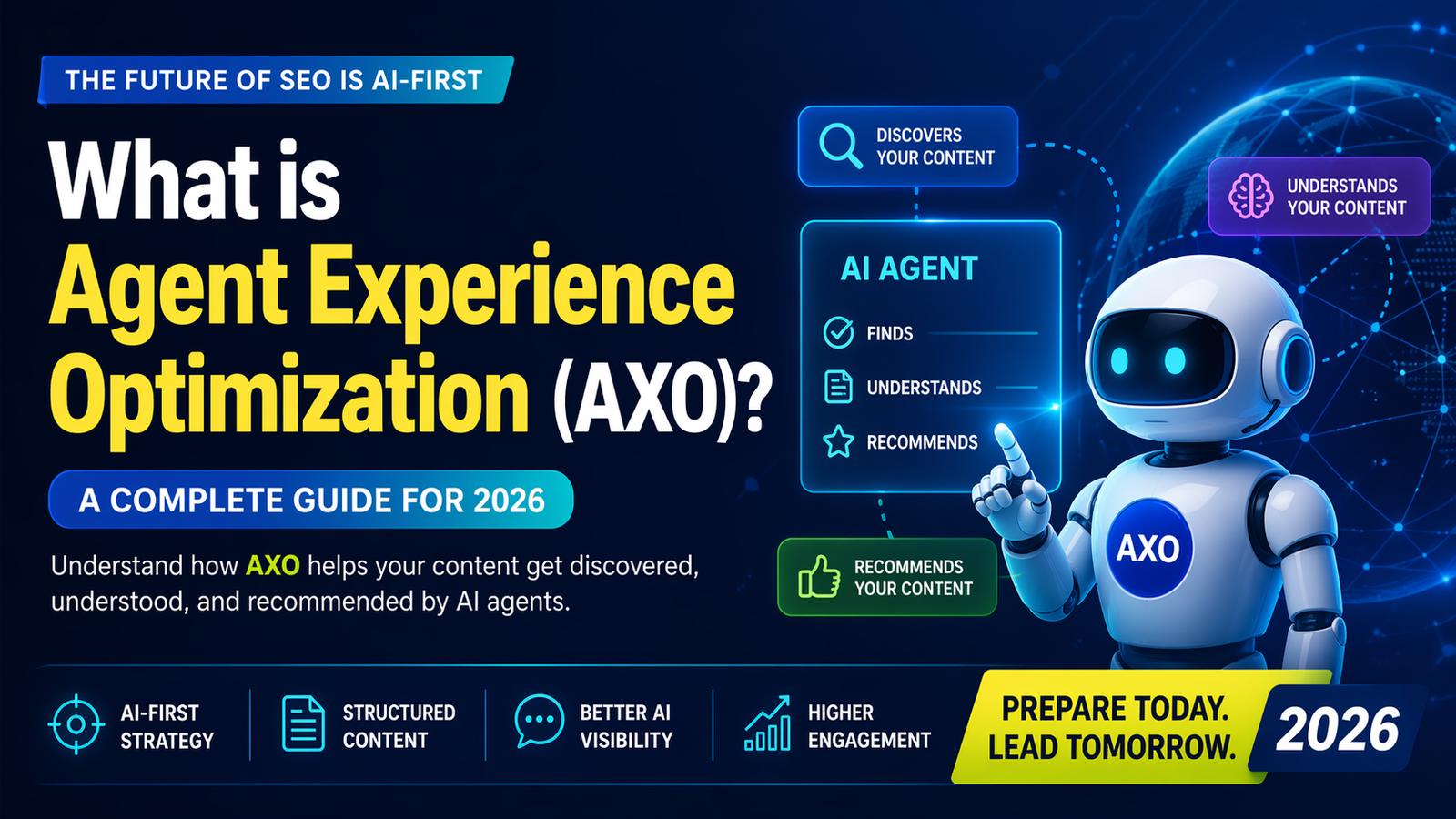 What is Agent Experience Optimization (AXO)? A Complete Guide for 2026
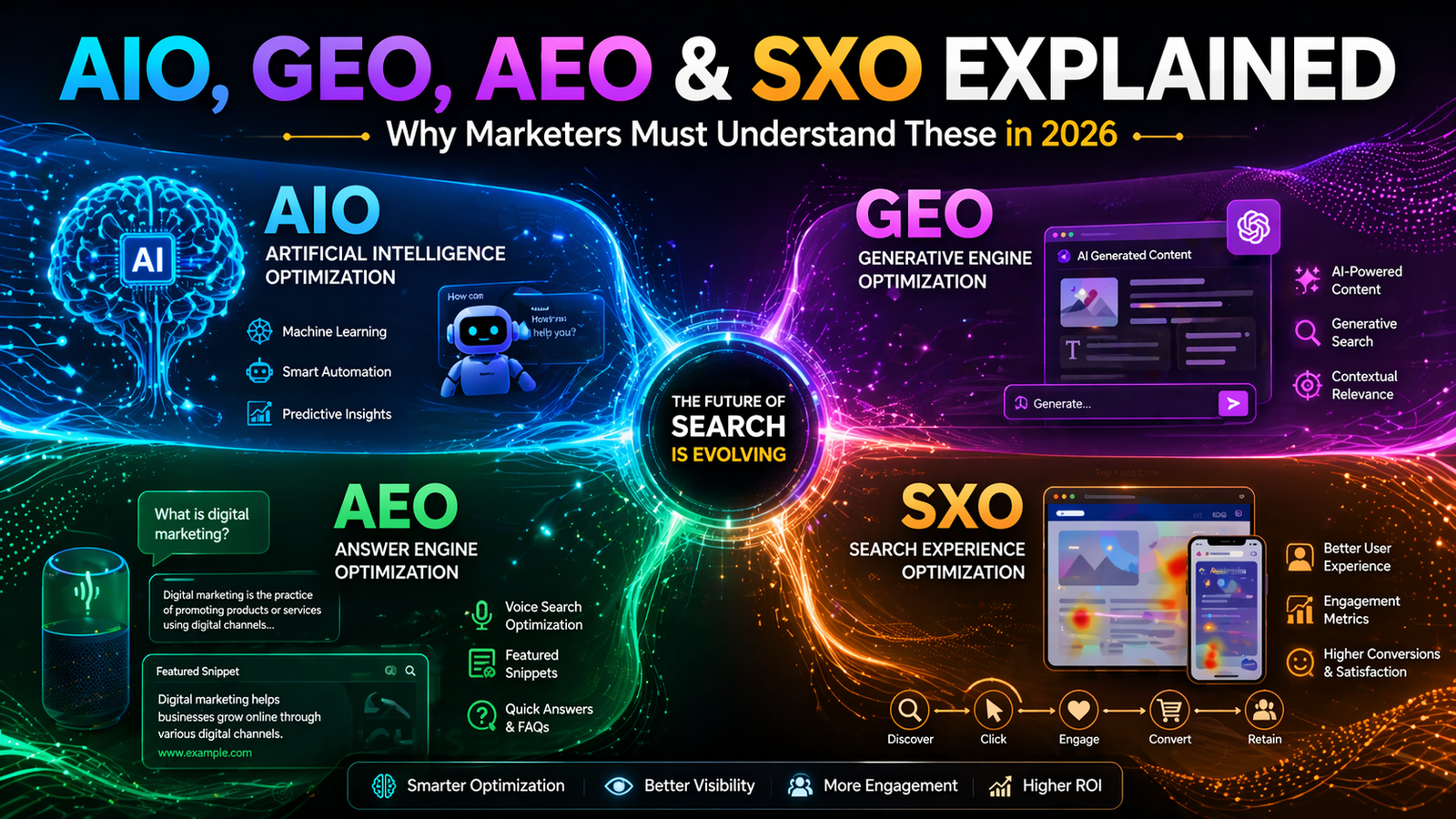 What AIO, GEO, AEO, and SXO Actually Mean — and Why Marketers Should Care
 Google Ads vs Meta Ads — Which Is Better for Your Business in 2026?
 On-Page SEO Checklist for 2026 (Step-by-Step Guide)
 What is GMB & How to Rank on Google My Business in 2026 (Complete Guide)
 Google Digital Garage: Courses List, Certificates & Career Opportunities
 Prompt Engineering for Digital Marketers: Boost AI Results