
Future Trends in Digital Marketing Education by 2026: Skills & Tools
Digital marketing is no longer just about social media posts and Google ads. By 2026, the digital landscape is expected to be faster, smarter, more automated, and more data driven than ever before. As businesses shift online and consumers become more tech savvy, the demand for skilled digital marketers continues to grow.
This evolution is transforming digital marketing education itself. Traditional classroom training is being replaced by flexible, tech enabled, career focused learning models. Institutes like Code with TLS are adapting to these changes by offering practical, future-ready training that aligns with industry needs.
In this article, we explore the future trends in digital marketing education by 2026, the skills that will matter most, and how learners can prepare themselves for long term success.
For readers who want to explore design tools beyond Canva, check out our curated list of the 25 best Canva alternatives in 2025.
Why Digital Marketing Education Must Evolve
Rapid Changes in the Digital Marketing Landscape
Digital marketing is no longer limited to search engines and social media platforms. The industry is being reshaped by powerful technological and behavioral shifts such as:
- Artificial intelligence driving automation and predictive marketing
- Voice assistants and image-based search changing how users discover content
- Stricter privacy laws reducing access to third-party data and cookies
- Advanced personalization powered by first-party data and analytics
- Customers moving fluidly across websites, apps, email, social media, and offline channels
Because of these changes, marketers must now think like both strategists and technologists. Success depends on the ability to understand data, use automation tools, create meaningful experiences, and adapt quickly. This makes continuous learning not optional, but essential.
The Shift From Degrees to Demonstrated Skills
Today’s employers care less about academic certificates and more about what candidates can actually do.
Hiring decisions increasingly focus on:
- Practical experience with real campaigns
- Proficiency in marketing and analytics tools
- Ability to measure, analyze, and improve performance
- Understanding how marketing drives revenue and growth
As a result, digital marketing education is moving away from theory-based teaching and toward hands on, outcome driven training. Programs are now designed to build job ready skills, portfolios, and business understanding rather than just deliver classroom knowledge.
This evolution ensures learners are prepared for real world challenges and can contribute value from day one.
If you’re interested in AI chat tools, our comparison of ChatGPT alternatives helps you find the right assistant for your needs.
Major Future Trends in Digital Marketing Education by 2026
1. AI Powered Learning Platforms
One of the biggest changes in digital marketing education is the rise of AI powered learning platforms. These intelligent systems are transforming how students learn by making education smarter, faster, and more personalized than ever before.
Instead of following a fixed syllabus, modern platforms use adaptive learning technology to analyze how each student learns. Based on performance, behavior, and interests, the system adjusts lessons in real time. This creates a truly personalized learning experience where no two students follow the exact same path.
By 2026, most advanced digital marketing education platforms will be able to:
- Customize learning journeys based on career goals such as SEO, paid ads, analytics, or content marketing
- Recommend new topics automatically when a student masters or struggles with a subject
- Use smart algorithms to generate quizzes, assignments, and practice tests
- Provide instant feedback and progress insights for continuous improvement
This approach not only saves time but also improves learning outcomes. Students spend less time on what they already know and more time building skills they actually need. As a result, AI powered learning platforms make digital marketing education more efficient, engaging, and career focused.
2. Micro Learning and Modular Digital Marketing Courses
By 2026, long and inflexible programs are being replaced by micro learning and modular digital marketing courses that allow learners to build skills step by step.
Instead of committing to one lengthy course, students now prefer:
- Short, focused digital marketing modules
- Specialized certifications in SEO, PPC, social media, and analytics
- Topic specific workshops on AI marketing, automation, or content strategy
This flexible learning structure helps learners upgrade specific skills quickly, making it easier to stay relevant in a fast changing digital marketing industry.
To get a complete overview of the field, don’t miss our complete guide to digital marketing 2025.
3. Practical, Project Based Digital Marketing Training
Modern digital marketing education is becoming increasingly hands on. Employers want professionals who can manage real campaigns, not just understand theory.
Future ready digital marketing training programs focus on:
- Running live Google Ads and social media campaigns
- Working on real client projects
- Solving business case studies
- Practicing with marketing tools in simulated environments
This project based approach ensures that students graduate with experience, confidence, and a portfolio, making them job ready from day one.
4. Integration of Advanced Digital Marketing Tools
By 2026, digital marketing education will be deeply integrated with professional marketing tools used in the industry.
Students will regularly train on platforms such as:
- Google Analytics 4 for data tracking and insights
- SEMrush and Ahrefs for SEO and competitor research
- Meta Ads Manager for paid social campaigns
- HubSpot CRM for marketing automation and lead management
- AI powered content and marketing automation tools
Learning with these advanced tools prepares students for real workplace expectations and helps them transition smoothly into professional digital marketing roles.
5. Hybrid Learning Models for Flexible Education
Digital marketing education is no longer limited to classrooms or fully online formats. The future belongs to hybrid learning models that blend multiple learning styles.
By 2026, most programs will combine:
- Online recorded digital marketing lessons
- Live interactive mentor led sessions
- Offline workshops for hands on practice
- Peer collaboration through group projects and discussions
This hybrid approach offers the flexibility of online learning while maintaining engagement, mentorship, and practical exposure.
For flexible payment options, explore the benefits of a digital marketing course in EMI.
Skills That Will Matter Most by 2026
As digital platforms evolve and consumer behavior becomes more data driven, professionals will need a powerful blend of technical expertise, creative thinking, and business understanding. By 2026, employers will not just look for marketers who can run ads, but those who can analyze data, build experiences, and drive measurable growth.
Below are the most in demand digital marketing skills for the future.
Technical Skills
By 2026, digital marketers must become comfortable working with data, tools, and automation systems. These skills will form the backbone of high performing marketing teams.
Data analytics and reporting
Understanding marketing data will be essential for making informed decisions. Marketers will need to analyze website traffic, campaign performance, user behavior, and conversion metrics using platforms like Google Analytics 4, CRM dashboards, and marketing intelligence tools. Data-driven marketing, performance tracking, and reporting insights will be critical for optimization and ROI measurement.
Conversion rate optimization (CRO)
Driving traffic alone will not be enough. Professionals must focus on improving landing page performance, user experience, and funnel efficiency. Skills like A/B testing, heatmap analysis, UX optimization, and behavioral analytics will help marketers turn visitors into leads and customers.
Marketing automation and CRM systems
Automation platforms will power email marketing, lead nurturing, and customer engagement. Marketers will need experience with tools like HubSpot, Salesforce, Zoho, and marketing automation workflows to manage personalized communication at scale.
SEO, voice search, and AI-driven search optimization
Search engine optimization will expand beyond keywords into voice search optimization, semantic search, and AI-based search algorithms. Understanding search intent, structured data, content optimization, and conversational queries will be vital for organic visibility.
AI prompt engineering and content automation
Marketers will use artificial intelligence to generate content ideas, ad copy, visuals, and analytics reports. Knowing how to write effective prompts, train AI tools, and combine automation with human creativity will become a powerful competitive advantage.
If you’re looking to earn professional credentials, our detailed review of the digital marketing certification course will guide you.
Creative Skills
Technology will dominate marketing systems, but creativity will remain the emotional driver of brand success.
Brand storytelling and narrative marketing
Brands that connect emotionally with audiences will win. Marketers must know how to craft authentic brand stories, customer success narratives, and purpose driven messaging that builds trust and loyalty across digital channels.
Video marketing and short-form content creation
Video will continue to dominate platforms like YouTube, Instagram Reels, TikTok, and OTT advertising. Skills in video scripting, editing, storytelling, and platform specific content strategy will be essential for engagement and reach.
Visual content creation and design thinking
Marketers must be visually literate. Creating scroll stopping graphics, infographics, social creatives, and website visuals using tools like Canva, Adobe, or AI design platforms will become a core skill.
UX writing and microcopy optimization
Every button, form, and notification shapes user experience. UX writing focuses on creating clear, friendly, and conversion-focused content that improves usability, engagement, and customer satisfaction.
For those targeting job-focused programs, explore our digital marketing course in Delhi with job guide for opportunities and outcomes.
Business Skills
Digital marketers will increasingly act as growth partners, not just campaign managers.
Customer journey mapping and experience design
Understanding the complete customer lifecycle from awareness to retention will help marketers design seamless omnichannel experiences. Mapping touchpoints across search, social, email, web, and offline channels will improve engagement and loyalty.
Marketing ROI analysis and performance measurement
Marketers will be expected to justify budgets and demonstrate impact. Skills in attribution modeling, funnel analytics, revenue tracking, and business intelligence will help connect marketing efforts directly to revenue growth.
Strategic planning and growth marketing
Beyond execution, marketers must think strategically. Campaign planning, market research, audience segmentation, and growth strategy development will guide long-term brand success.
Sales funnel optimization and lead nurturing
Understanding how leads move through funnels and how to nurture them using content, email, retargeting, and CRM workflows will be key to improving customer acquisition and lifetime value.
Students searching for local training should see our breakdown of digital marketing classes in Delhi.
Role of Certifications in 2026
In 2026, digital marketing certifications are no longer optional, they are a key indicator of practical expertise and industry readiness. Employers increasingly look for professionals who have verified skills in advertising platforms, analytics tools, automation systems, and AI-driven marketing solutions.
Modern certifications validate that a learner can not only understand concepts but also execute real-world campaigns, analyze performance data, and optimize results.
Some of the most valuable digital marketing certifications in 2026 include:
- Google Ads and Google Analytics 4 Certification for performance tracking and paid media expertise
- Meta Blueprint Certification for social media advertising and audience targeting
- HubSpot Content Marketing and CRM Certification for inbound marketing and lead nurturing
- AI marketing certifications for automation, predictive analytics, and personalization
Leading training institutes like Code with TLS integrate these certifications into their digital marketing courses, ensuring students graduate with both hands on experience and recognized credentials that improve employability, credibility, and career growth.
Career Opportunities After Digital Marketing Education
As businesses continue their digital transformation, the demand for skilled digital marketing professionals in 2026 is expected to rise across startups, agencies, e-commerce brands, IT companies, and global enterprises.
Organizations are actively hiring specialists who can manage online growth, optimize customer journeys, and generate measurable business results using data and automation.
Some of the most in-demand digital marketing job roles in 2026 include:
- Digital Marketing Manager for end to end strategy and execution
- Performance Marketing Specialist for paid ads, conversion optimization, and ROI tracking
- SEO Analyst for organic traffic growth and search engine optimization
- Marketing Automation Manager for email workflows, CRM integration, and lead scoring
- Growth Hacker for rapid experimentation and user acquisition strategies
- Data Driven Marketer for analytics, reporting, and decision-making
These roles offer attractive salary packages, remote work opportunities, and global career paths, making digital marketing one of the most future proof and scalable career options for students and professionals alike.
To boost your blog’s reach, our expert blog promotion strategies can help you grow traffic quickly.
Why Choose Code with TLS for Future-Ready Digital Marketing Education
Code with TLS is built to prepare learners not just for current digital marketing jobs, but for the fast evolving careers of the future. The institute focuses on future proof digital skills, hands on learning, and industry relevance so students are always one step ahead.
What Makes Code with TLS Stand Out
- Industry-aligned digital marketing curriculum that is updated regularly with the latest trends in SEO, paid ads, content marketing, and AI marketing.
- Practical, project based digital marketing training where students work on real campaigns, not just theory.
- Tool based learning environment covering Google Analytics, Meta Ads Manager, SEMrush, Ahrefs, and marketing automation platforms.
- Career mentoring and placement assistance, including resume building, interview preparation, and portfolio guidance.
- Strong focus on emerging technologies, such as artificial intelligence in digital marketing, automation tools, and data driven marketing strategies.
This approach ensures students gain job ready digital marketing skills, hands on experience, and professional confidence, making them highly employable in the competitive digital economy.
How Students Should Prepare for the Future of Digital Marketing
To stay relevant and competitive in the digital marketing industry, learners must adopt a mindset of continuous learning and experimentation.
Smart Steps for Future Focused Learners
- Continuously upgrade digital marketing skills by learning new tools, platforms, and marketing technologies.
- Follow digital marketing blogs, podcasts, and industry updates to stay informed about algorithm changes, trends, and best practices.
- Practice on live projects and case studies to understand real-world marketing challenges and solutions.
- Build a strong digital marketing portfolio showcasing SEO results, ad performance, content growth, and analytics insights.
- Learn data interpretation and marketing analytics to make smarter, performance driven decisions.
The future belongs to marketers who can blend strategy, technology, creativity, and data to create meaningful, high impact digital experiences.
If you prefer a structured program online, check out our online digital marketing course designed for all skill levels.
FAQs
1. What are the top digital marketing trends in 2026?
In 2026, digital marketing trends focus on AI automation, hyper personalization, zero-click search optimization, voice and visual search, privacy first marketing, and omnichannel customer experiences. Brands are shifting from mass campaigns to highly targeted, data-driven strategies.
2. What are the key Brandwatch digital marketing trends for 2026?
Brandwatch highlights trends such as AI-powered consumer insights, real-time sentiment analysis, social listening for product development, influencer authenticity scoring, and predictive analytics for campaign planning. These tools help brands understand audiences faster and act more strategically.
3. What are the major social media marketing trends in 2026?
Social media marketing in 2026 focuses on short form video, social commerce, AI content creation, creator partnerships, community based marketing, and private messaging channels like WhatsApp and Instagram DM for customer engagement.
4. What are the leading B2B marketing trends in 2026?
B2B marketing trends include account based marketing (ABM), AI-powered lead scoring, intent data usage, LinkedIn thought leadership, personalized email automation, and long form educational content for trust building.
5. How should businesses build a strong 2026 marketing strategy?
A successful 2026 marketing strategy should combine customer data, automation tools, content personalization, privacy compliance, omnichannel presence, and performance analytics. The goal is to create seamless, relevant experiences across all digital touchpoints.
6. What are the most important media trends in 2026?
Key media trends include connected TV advertising, podcast marketing growth, interactive content formats, immersive AR/VR brand experiences, and AI driven ad optimization across platforms like Google, Meta, and YouTube.
7. How will digital marketing change in the future?
Digital marketing in the future will become more automated, predictive, and personalized. Marketers will rely heavily on AI, first party data, and customer experience design rather than just traffic and impressions.
8. What are the biggest future marketing trends to watch beyond 2026?
Future marketing trends include emotion based AI targeting, decentralized data ownership, immersive metaverse branding, blockchain verified ads, and hyper personalized content journeys driven by real time user behavior.
9. Will AI replace digital marketers by 2026?
No. AI will support marketers, not replace them. Human creativity, strategy, emotional intelligence, and ethical decision making will remain essential, while AI handles automation and data processing.
10. Why is it important to stay updated with digital marketing trends in 2026?
Staying updated helps businesses remain competitive, improve ROI, meet changing consumer expectations, adapt to new platforms, and comply with privacy and data regulations.
Conclusion: Digital Marketing Education Is Becoming Smarter, Faster, and More Human
By 2026, digital marketing education will be more personalized, more practical, and more connected to real business needs. Learners who adapt early will enjoy better career opportunities and long-term growth.
If you’re planning to build a successful career in digital marketing, choosing the right learning partner is essential. Code with TLS offers future-focused training that helps you stay ahead of industry changes.
To connect with our team or get help enrolling, visit our contact us page.
Explore courses, talk to mentors, and start building your digital future today.
Call Us +91 85278 66980
Email Us info@codewithtls.com
Visit Us 2/81-82, Ground Floor, Lalita Park, Gali No - 2, Laxmi Nagar, New Delhi - 110092
Recent Posts
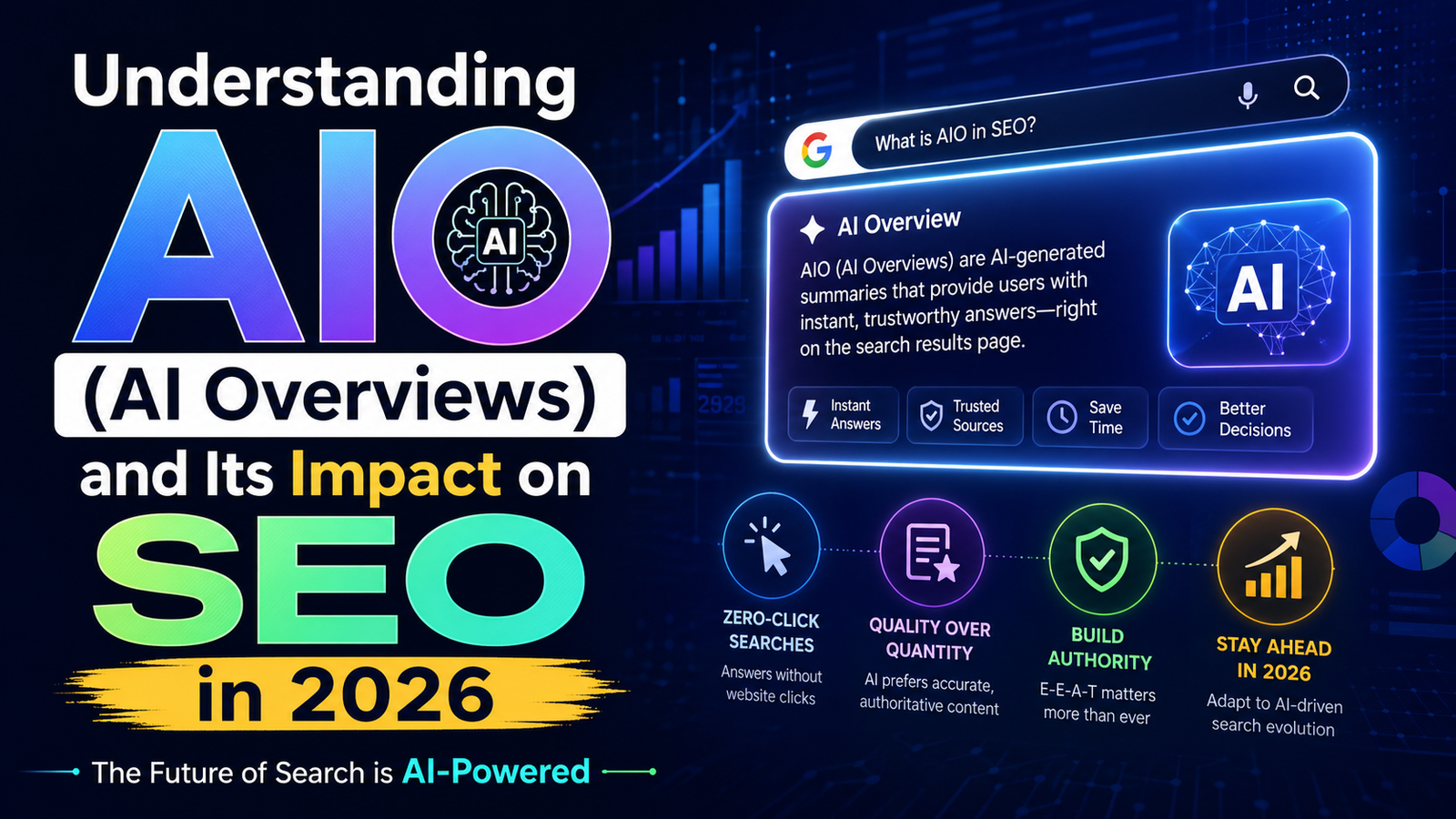 Understanding AIO (AI Overviews) and Its Impact on SEO in 2026
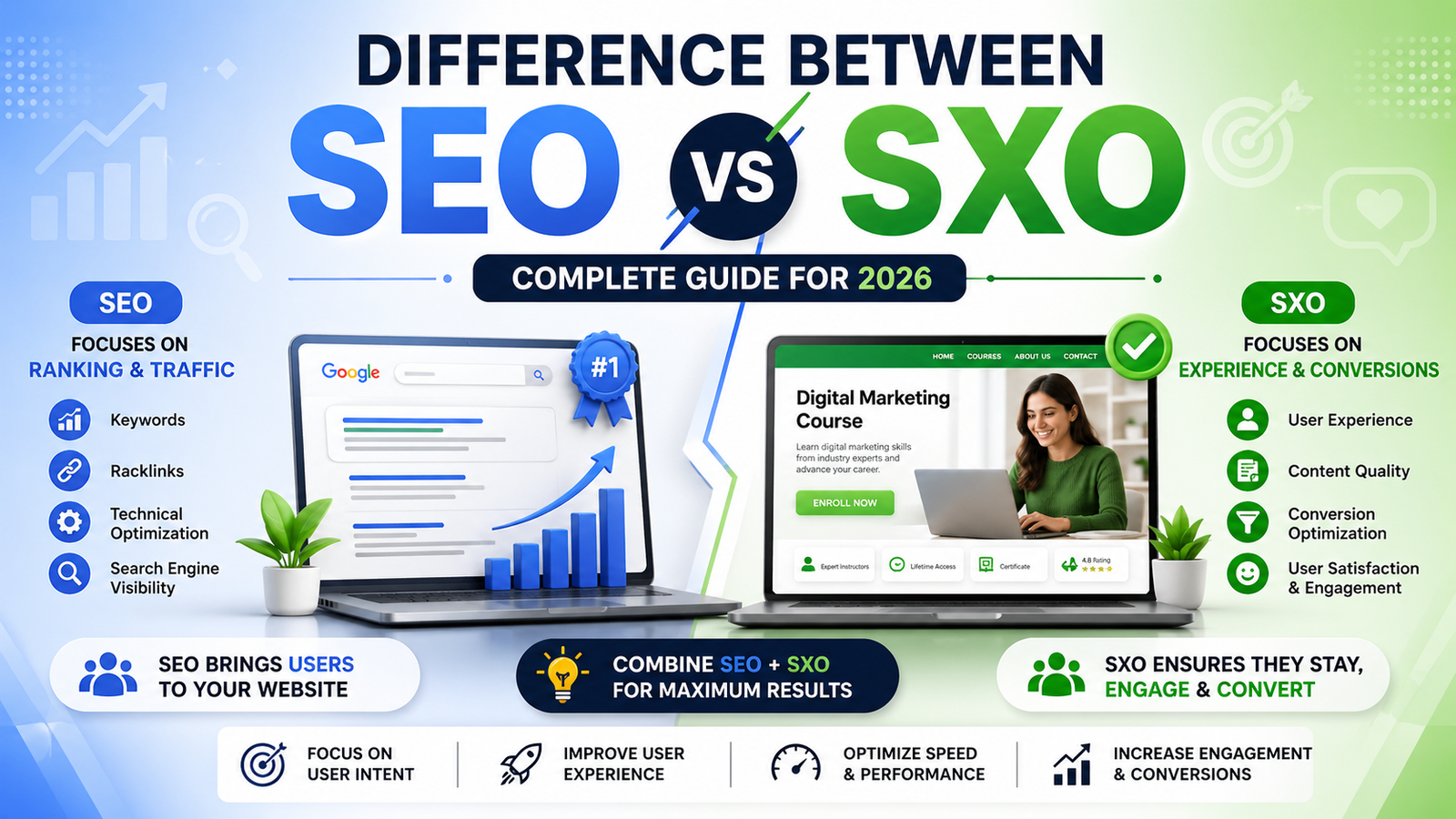 Difference Between SEO and SXO: Complete Guide for 2026
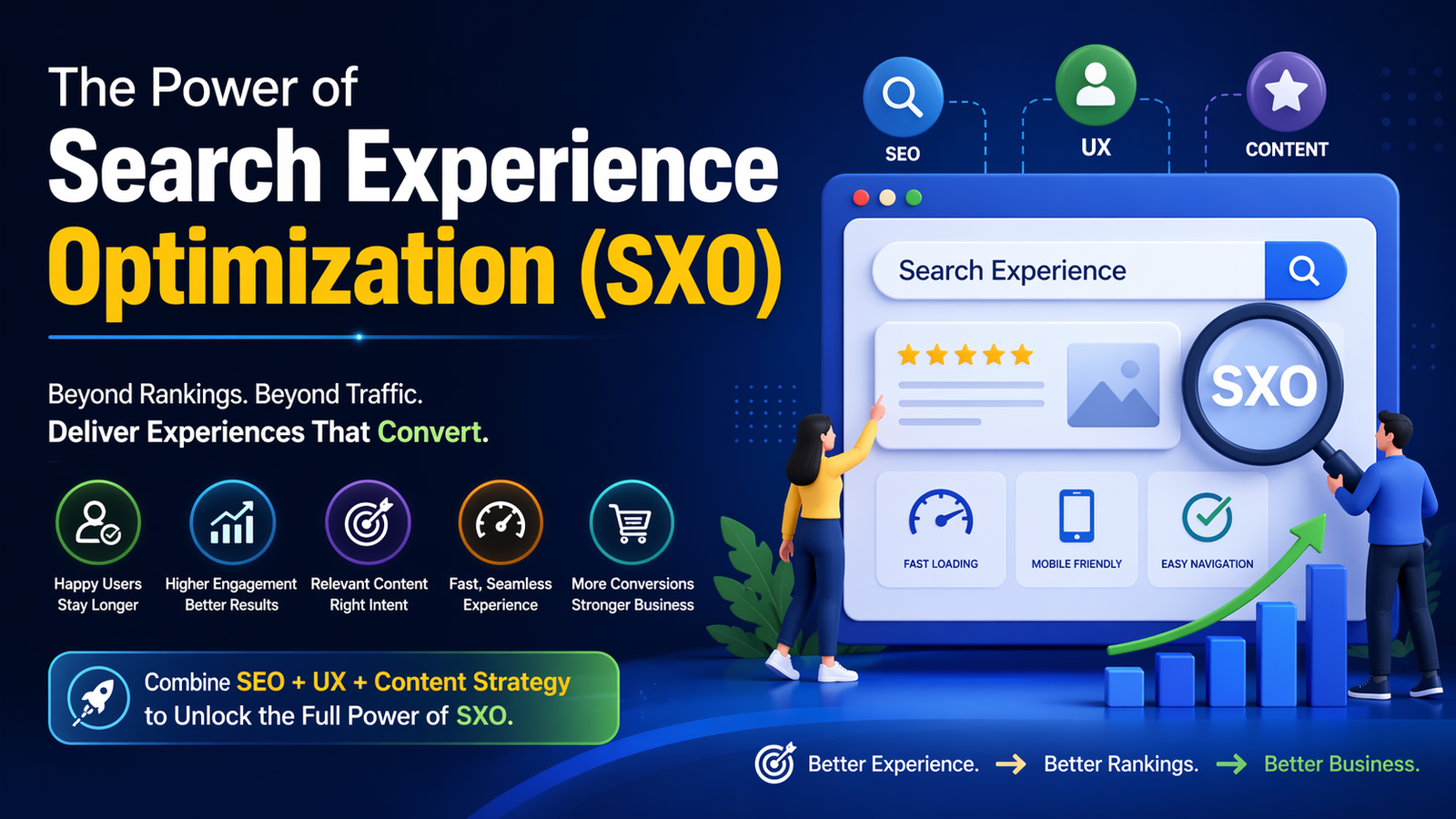 The Power of Search Experience Optimization (SXO)
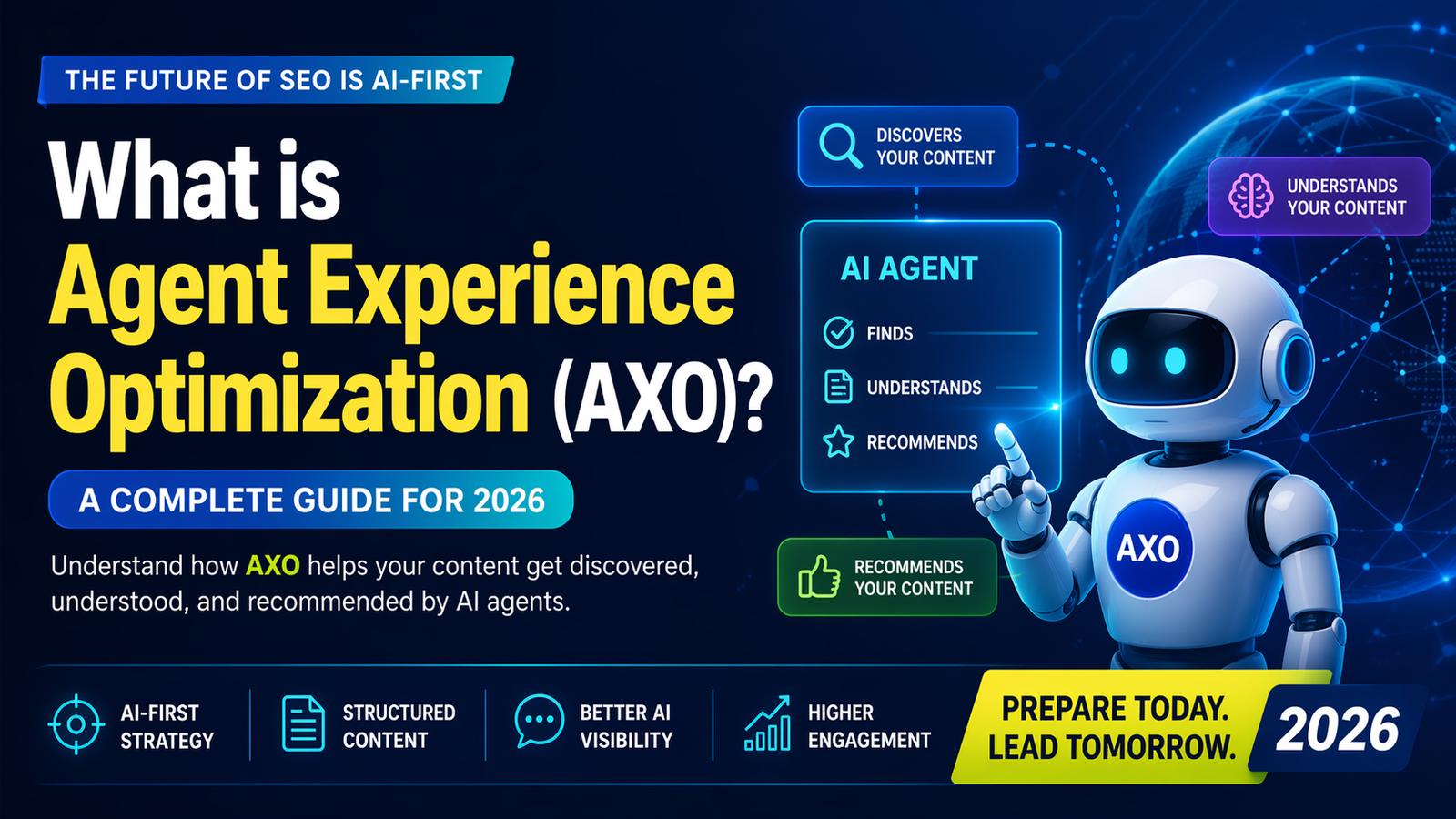 What is Agent Experience Optimization (AXO)? A Complete Guide for 2026
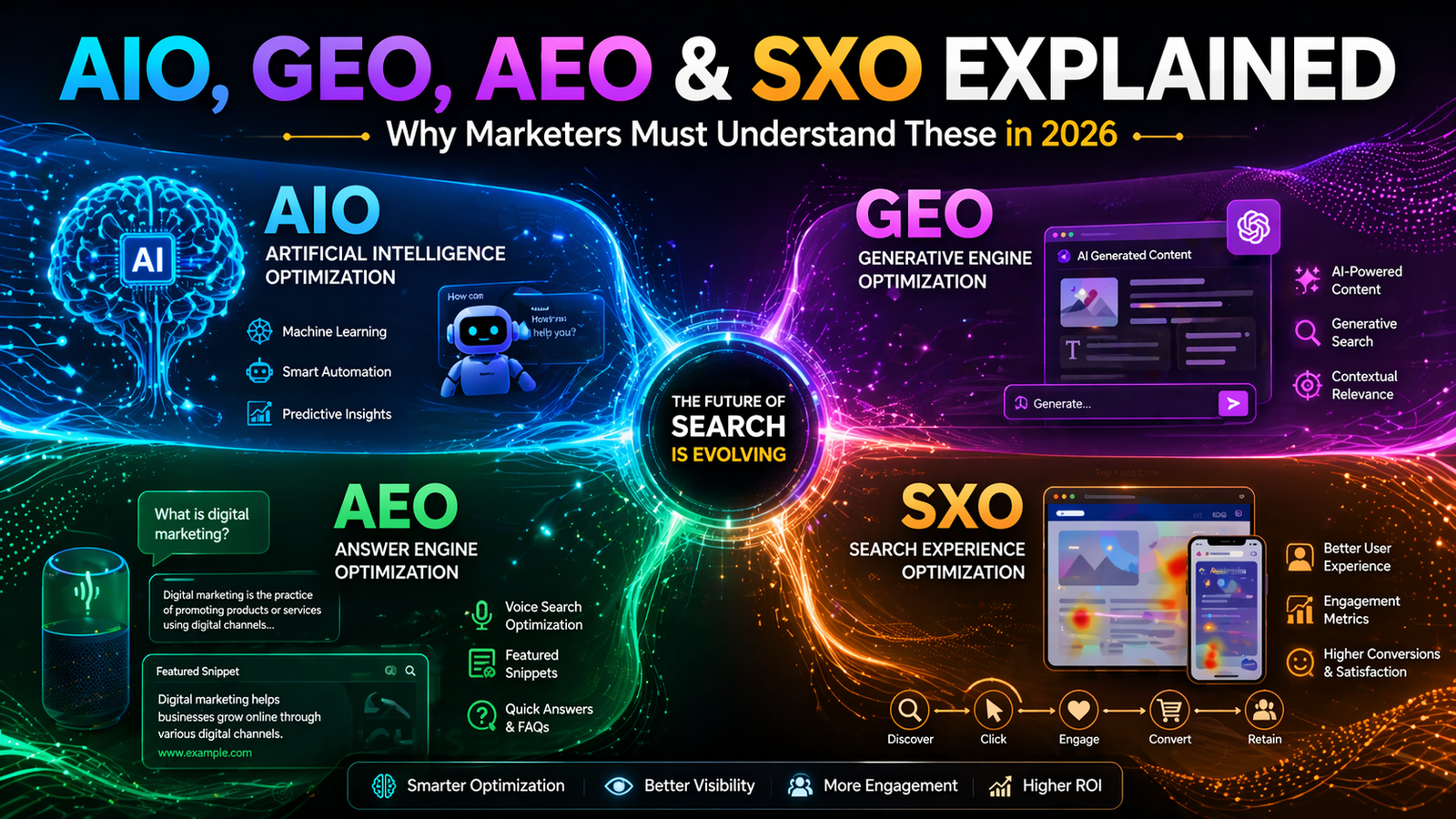 What AIO, GEO, AEO, and SXO Actually Mean — and Why Marketers Should Care
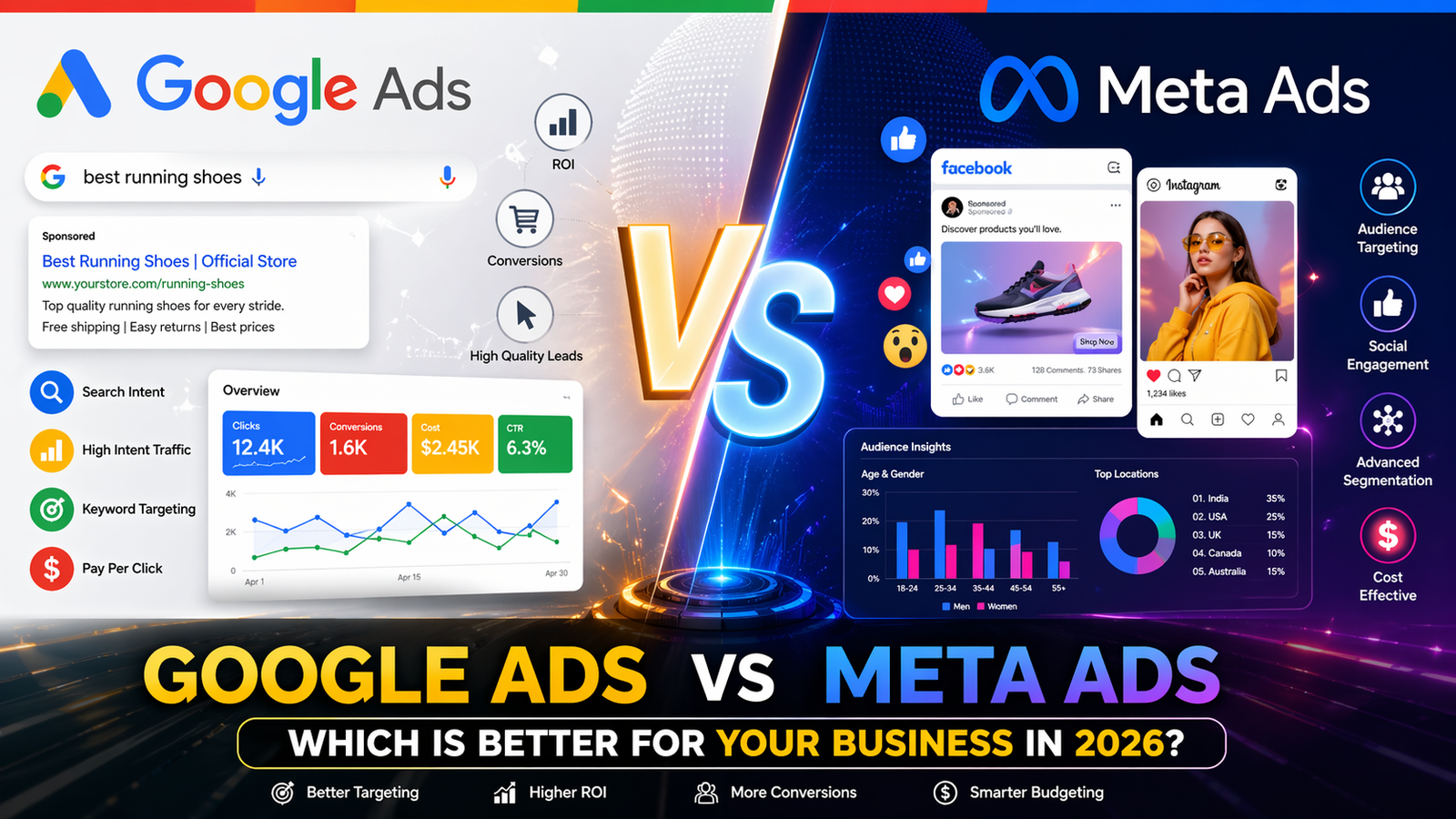 Google Ads vs Meta Ads — Which Is Better for Your Business in 2026?
 On-Page SEO Checklist for 2026 (Step-by-Step Guide)
 What is GMB & How to Rank on Google My Business in 2026 (Complete Guide)
 Google Digital Garage: Courses List, Certificates & Career Opportunities
 Prompt Engineering for Digital Marketers: Boost AI Results