
How to Grow Faster: 10 Effective Digital Marketing Strategies
Digital marketing has become the backbone of every successful business today. How to do digital marketing for your business is one of the most common questions among entrepreneurs, startups, and even established companies looking to scale online. In the modern age, where the majority of consumers research products and services online, mastering digital marketing is not optional, it's essential.
Whether you’re a small business owner or managing a large enterprise, implementing an effective digital marketing strategy can significantly boost your visibility, engagement, and sales. In this article, we will explore practical, actionable strategies to help you harness the power of digital marketing.
Understanding Digital Marketing
Before exploring the strategies, it’s important to grasp what digital marketing truly entails. Digital marketing refers to all marketing activities conducted through digital channels to promote products, services, or brands. It allows businesses to engage with current and potential customers using platforms like websites, search engines, social media, email, and mobile apps.
Why digital marketing matters:
- Cost efficient: Often more budget friendly than traditional marketing methods.
- Measurable impact: Monitor performance, track conversions, and optimize campaigns using analytics.
- Wider reach: Engage with audiences locally and globally without limitations.
- Precise targeting: Deliver your message to specific demographics based on interests, location, or behavior.
Digital marketing not only amplifies visibility but also provides actionable insights to drive smarter business decisions.
Explore the Main Digital Marketing Channels
Digital marketing leverages multiple channels, each serving a unique purpose in reaching and engaging your audience. Understanding these channels helps you craft a well-rounded strategy for your business.
Search Engine Optimization (SEO)
Search Engine Optimization (SEO) is the process of enhancing your website to rank higher on search engine results pages (SERPs). Effective SEO helps your business appear in front of people actively searching for products or services like yours, driving organic and long-term traffic.
Key SEO strategies for your business:
- Keyword Research: Identify the search terms your audience uses and integrate them naturally into your content.
- On Page SEO: Optimize titles, headings, meta descriptions, URLs, and images for better search visibility.
- Technical SEO: Improve website speed, mobile responsiveness, and secure connections (HTTPS) to enhance user experience.
- Content Creation: Publish high quality, relevant content that answers your audience’s questions.
- Link Building: Acquire backlinks from reputable websites to boost your site’s authority.
- Performance Tracking: Use tools like Google Analytics and Search Console to monitor traffic, rankings, and conversions.
By investing in SEO, your business can attract more qualified leads, improve credibility, and achieve sustainable online growth.
Pay-Per-Click (PPC) Advertising
Pay-Per-Click (PPC) advertising is a powerful digital marketing strategy where businesses pay a fee each time someone clicks on their ad. Unlike organic traffic from SEO, PPC allows you to appear at the top of search results almost instantly, making it an effective method to attract targeted visitors quickly.
Platforms like Google Ads, Bing Ads, and social media channels such as Facebook and Instagram offer PPC options that let you define your audience based on location, demographics, interests, and search behavior. This precise targeting ensures that your ads reach people who are more likely to convert, maximizing your advertising budget.
To run a successful PPC campaign, it’s essential to conduct thorough keyword research, create compelling ad copy, and use engaging visuals or extensions that encourage clicks. Regular monitoring and optimization of bids, keywords, and ad performance are crucial to maintaining a high ROI. When executed correctly, PPC advertising can generate immediate leads, boost sales, and complement your long term SEO and content marketing strategies.
Content Marketing
Content marketing focuses on creating and sharing valuable, relevant, and consistent content to attract and engage your target audience. Unlike direct advertising, content marketing builds trust and establishes your business as an authority in your industry. By providing informative blogs, videos, infographics, case studies, or how to guides, you can educate potential customers and nurture leads over time.
A successful content marketing strategy begins with understanding your audience’s needs and identifying the topics that resonate with them. Optimizing content for SEO ensures it reaches the right people organically, while distributing it across social media, email campaigns, and other channels maximizes visibility. Regularly analyzing engagement metrics, such as page views, shares, and time on page, allows you to refine your approach for better results.
When executed effectively, content marketing not only drives traffic but also strengthens brand credibility, encourages customer loyalty, and supports your overall digital marketing goals.
- Builds Trust and Authority: By sharing helpful blogs, videos, infographics, or guides, your business becomes a trusted source in your industry.
- Educates Your Audience: Quality content helps potential customers understand your products, services, and industry better, guiding them through their buying journey.
- Supports SEO: Optimized content improves search engine rankings, driving organic traffic to your website.
- Increases Engagement: Sharing content across social media, email, or websites encourages interaction, comments, and shares.
- Generates Leads: Valuable content can attract subscribers or prospects who are genuinely interested in your offerings.
- Long Term Benefits: Unlike paid ads, content continues to provide value over time, helping maintain brand visibility and credibility.
- Data Driven Improvement: By analyzing metrics like page views, shares, and time on page, you can refine your content strategy for better results.
Content marketing is a foundational strategy that complements SEO, social media, and email marketing, driving sustained growth and customer loyalty.
Email Marketing
Email marketing is a direct and highly effective way to communicate with your audience. By sending personalized messages, newsletters, or promotional offers, businesses can nurture leads, retain existing customers, and encourage repeat purchases. Unlike social media, email allows you to reach your subscribers directly in their inbox, providing a more personal and targeted experience.
Successful email marketing starts with building a quality email list and segmenting it based on customer interests, behavior, or demographics. Crafting engaging subject lines, concise content, and clear calls to action ensures higher open and click through rates. Additionally, automation tools can streamline campaigns, sending timely messages such as welcome emails, abandoned cart reminders, or special offers.
Regular analysis of open rates, click rates, and conversions helps refine strategies, making email marketing a cost effective channel with one of the highest returns on investment in digital marketing.
Social Media Marketing (SMM)
Social Media Marketing (SMM) is the practice of using platforms like Facebook, Instagram, LinkedIn, Twitter, and TikTok to connect with your audience, build brand awareness, and drive engagement. Unlike traditional marketing, SMM allows businesses to interact directly with customers, receive feedback in real-time, and create a community around their brand.
A successful SMM strategy involves posting consistent and relevant content tailored to your audience’s interests. Engaging visuals, videos, polls, and interactive posts can increase visibility and encourage shares. Paid campaigns, such as sponsored posts or social media ads, further amplify reach by targeting specific demographics, locations, or interests.
By monitoring metrics like likes, shares, comments, and click-through rates, businesses can refine their strategy for better results. When implemented effectively, social media marketing strengthens customer relationships, enhances brand loyalty, and drives traffic that supports other digital marketing efforts like SEO and email campaigns.
Facebook: Facebook is ideal for connecting with a wide variety of audiences. By identifying the groups, pages, and communities where your target customers are most active, you can engage effectively and build a strong presence for your brand.
Twitter: Twitter is perfect for growing a new business quickly and creating immediate brand awareness. Its fast paced environment allows you to share updates, interact with followers, and make your brand visible to potential customers early on.
LinkedIn: LinkedIn is the go-to platform for reaching professionals, entrepreneurs, and B2B prospects. It is highly effective for networking, generating leads, and establishing your business as an authority in your industry.
Google+ (Note: Legacy or Replace with YouTube/Other Platform): Google+ was once a useful platform for B2B engagement and boosting SEO impact. Today, similar benefits can be gained through Google Business Profiles or YouTube, which help increase visibility in search results and reach potential clients online.
Pinterest: Pinterest is excellent for visually driven marketing. If your products or services are image focused, this platform helps showcase your brand creatively. It is especially effective for businesses targeting women, as they make up a large portion of Pinterest users.
Influencer & Affiliate Marketing
Influencer and affiliate marketing are powerful strategies to expand your brand’s reach and credibility. Influencer marketing involves collaborating with individuals who have a loyal and engaged following in your niche. By promoting your products or services through trusted influencers, you can quickly build awareness, generate leads, and increase conversions.
Affiliate marketing, on the other hand, relies on partners or affiliates to promote your offerings in exchange for a commission on sales or leads. This performance-based model ensures that you only pay for actual results, making it cost-effective and scalable.
Both strategies work best when you carefully select influencers or affiliates aligned with your brand values and target audience. Clear communication, mutually beneficial agreements, and tracking performance metrics such as clicks, conversions, and ROI are key to maximizing the impact of these marketing channels.
Video Marketing
Video marketing is one of the most engaging ways to connect with your audience. Through platforms like YouTube, Instagram Reels, TikTok, and Facebook, businesses can visually showcase their products, services, and brand story. Videos are highly effective for capturing attention, conveying complex information quickly, and encouraging interaction.
A successful video marketing strategy involves creating content that is clear, concise, and relevant to your audience. This can include tutorials, product demos, behind-the-scenes glimpses, customer testimonials, or promotional campaigns. Optimizing video titles, descriptions, and tags ensures better visibility on search engines and social media feeds.
Additionally, incorporating captions, calls-to-action, and engaging thumbnails can significantly increase viewer retention and conversions. When done right, video marketing not only boosts engagement but also strengthens brand recognition, drives traffic, and complements other digital marketing efforts such as SEO and social media campaigns.
Blogging
Blogging is a cornerstone of digital marketing that allows businesses to share valuable insights, industry knowledge, and practical advice with their audience. Through well-written blog posts, you can address common questions, solve problems, and provide information that your potential customers are actively searching for online. This not only attracts organic traffic but also positions your brand as an authority in your niche.
A successful blogging strategy involves understanding your audience’s interests, performing keyword research, and creating content that is both informative and engaging. Incorporating visuals, headings, and internal links enhances readability and encourages users to spend more time on your site. Additionally, blogs can be shared across social media and email campaigns, increasing reach and engagement.
Regularly publishing high-quality blog content helps improve your search engine rankings, drives consistent traffic, and nurtures leads over time. When combined with other digital marketing strategies like SEO, social media, and email marketing, blogging becomes a powerful tool for building brand credibility and growing your business.
Step by Step Guide to Promoting Your Business with Digital Marketing
Promoting your business effectively through digital marketing requires a strategic approach. Simply having a website or social media account isn’t enough. You need a coordinated plan that leverages multiple channels to reach the right audience, build trust, and drive conversions. Here’s how you can use digital marketing to grow your business:
1. Define Your Goals and Target Audience
The first step in digital marketing is clarity. Know what you want to achieve whether it’s increasing website traffic, generating leads, boosting sales, or building brand awareness. Once your goals are clear, identify your target audience: their demographics, interests, behavior, and online habits. Understanding your audience ensures that your marketing efforts are focused, efficient, and effective.
2. Build a Strong Online Presence
A professional, user friendly website serves as the central hub for all digital marketing activities. It should clearly communicate your brand message, showcase products or services, and include clear calls to action (CTAs). Ensure your website is mobile friendly, fast loading, and optimized for search engines to attract organic traffic.
Along with your website, maintain active social media profiles on platforms where your audience spends most of their time. Consistency in branding, visuals, and messaging across channels strengthens your online presence and credibility.
3. Leverage Search Engine Optimization (SEO)
SEO helps your business appear in search results when potential customers look for products or services you offer. Optimized content, meta tags, headings, and URLs improve your visibility on search engines. Conducting thorough keyword research ensures that your content aligns with what your audience is searching for.
Technical SEO elements like website speed, mobile optimization, and secure connections (HTTPS) further enhance user experience and search rankings. Regularly tracking SEO performance using tools like Google Analytics helps refine strategies and maintain long-term visibility.
4. Use Social Media Marketing (SMM)
Social media platforms allow you to connect directly with your audience, engage with followers, and build brand loyalty. Share relevant content, updates, and promotional offers while encouraging interaction through comments, polls, and discussions.
Paid social media campaigns can target specific demographics, interests, or locations, ensuring that your content reaches the right audience. Social media marketing not only increases awareness but also drives traffic to your website and complements other digital channels.
5. Implement Pay-Per-Click (PPC) Advertising
PPC advertising enables businesses to appear at the top of search results or social media feeds quickly. You pay only when users click on your ad, making it cost effective if campaigns are managed properly.
Successful PPC campaigns require keyword research, compelling ad copy, engaging visuals, and continuous monitoring. By targeting the right audience, you can drive immediate traffic, generate leads, and boost sales in a short time frame.
6. Create Valuable Content
Content marketing is essential for building authority and engaging your audience. High quality blogs, videos, infographics, guides, and case studies provide valuable information that attracts potential customers and nurtures leads over time.
Well optimized content improves SEO, encourages social sharing, and positions your brand as an industry leader. Consistently publishing content ensures your audience keeps returning and helps build a loyal customer base.
7. Use Email Marketing for Personalized Engagement
Email marketing allows businesses to deliver targeted messages directly to subscribers’ inboxes. Personalized emails, newsletters, and promotional campaigns help nurture leads, retain customers, and encourage repeat purchases.
Automation tools can send timely messages such as welcome emails, cart reminders, or special offers. Tracking open rates, click-through rates, and conversions helps optimize campaigns and maximize ROI.
8. Collaborate with Influencers and Affiliates
Influencer and affiliate marketing can boost brand credibility and expand reach. Influencers promote your products to their engaged audience, while affiliates help drive sales or leads on a performance-based model.
Choosing influencers and affiliates aligned with your brand ensures authentic promotion. Regular monitoring of performance metrics ensures that these partnerships deliver measurable results.
9. Utilize Video Marketing for Engagement
Video content is highly engaging and versatile. Use videos to demonstrate products, share tutorials, or tell your brand story. Platforms like YouTube, Instagram Reels, and TikTok provide a visual way to connect with your audience.
Optimizing video titles, descriptions, and tags improves visibility, while captions and strong CTAs enhance viewer engagement. Videos can also be repurposed across social media and email campaigns to maximize reach.
10. Monitor, Analyze, and Optimize
Digital marketing is data driven. Regularly track website traffic, social media engagement, email performance, and ad conversions to measure effectiveness. Analytics provide insights into what works and what needs improvement.
By continually analyzing results, you can optimize campaigns, adjust targeting, and improve messaging, ensuring that every digital marketing effort contributes to your business goals.
How to Do Digital Marketing the Right Way and Effectively Promote Your Business
Digital marketing is a powerful tool for growing your business, but doing it the right way requires strategy, consistency, and focus. The first step is to define your goals whether it’s increasing website traffic, generating leads, or boosting sales and identify your target audience. Understanding who your customers are and where they spend their time online helps you choose the right channels.
A professional website is essential as your business hub, optimized for mobile devices, speed, and search engines. Leveraging SEO ensures your business appears in search results, while social media marketing helps you engage directly with your audience and build brand loyalty. Content marketing through blogs, videos, or infographics provides valuable information and positions your brand as an authority.
Paid campaigns like PPC advertising can drive quick traffic, while email marketing nurtures leads and encourages repeat sales. Collaborating with influencers or affiliates expands your reach, and video marketing captures attention effectively.
Finally, continuously monitor analytics and optimize campaigns to ensure every effort delivers measurable results. By combining these strategies thoughtfully, businesses can promote their brand effectively, reach the right audience, and achieve sustainable growth in today’s digital world.
Faqs
1. How to do digital marketing for your business in India?
To do digital marketing in India, start by understanding your target audience and creating a professional website. Use SEO to rank in search engines, leverage social media platforms like Facebook, Instagram, and LinkedIn, run PPC campaigns, and create engaging content. Email marketing, influencer collaborations, and analytics tracking are also essential to reach customers effectively.
2. How to do digital marketing for your business free?
You can promote your business for free using social media marketing, SEO optimized blog posts, content marketing, and email newsletters. Engaging in online communities, posting regularly, and optimizing your website for organic search traffic are also effective free strategies.
3. Digital marketing for small business PDF
Many free PDFs and guides are available online for small businesses. They cover strategies like social media marketing, SEO, email marketing, and content marketing. These resources are useful for beginners or small business owners who want structured guidance.
4. Digital marketing strategies for small business
Small businesses can benefit from SEO, social media marketing, email campaigns, PPC advertising, and content marketing. Focus on local SEO, targeted social ads, and valuable content to attract and convert leads efficiently.
5. Digital marketing strategies for small business project PDF
Project PDFs for small business marketing often include case studies, step by step campaigns, and analytics tracking templates. They help you understand how to implement strategies practically and measure results effectively.
6. Digital marketing for beginners PDF
Beginner friendly PDFs cover the fundamentals of SEO, social media, email, content, and PPC marketing. They provide step by step instructions and practical tips for anyone new to digital marketing.
7. Digital marketing strategy examples
Examples include running a local SEO campaign for a store, creating social media contests to increase engagement, sending personalized email newsletters, launching PPC ads for new products, and producing video tutorials or blogs to educate your audience
Conclusion
How to do digital marketing for your business involves a combination of strategies tailored to your target audience. From building a website and implementing SEO to leveraging social media, PPC, and email marketing, each element plays a crucial role in business growth.
At Code with TLS, we provide comprehensive digital marketing courses that equip you with the skills to implement these strategies effectively. Whether you are a beginner or looking to enhance your expertise, our expert led sessions, live projects, and certification programs prepare you for real world challenges.
Start your digital marketing journey today and take your business to the next level. Contact us to explore courses, gain practical experience, and achieve measurable results for your business.
Call Us
+91 85278 66980
Email Us
Visit Us
2/81-82, Ground Floor, Lalita Park, Gali No - 2, Laxmi Nagar, New Delhi - 110092
Recent Posts
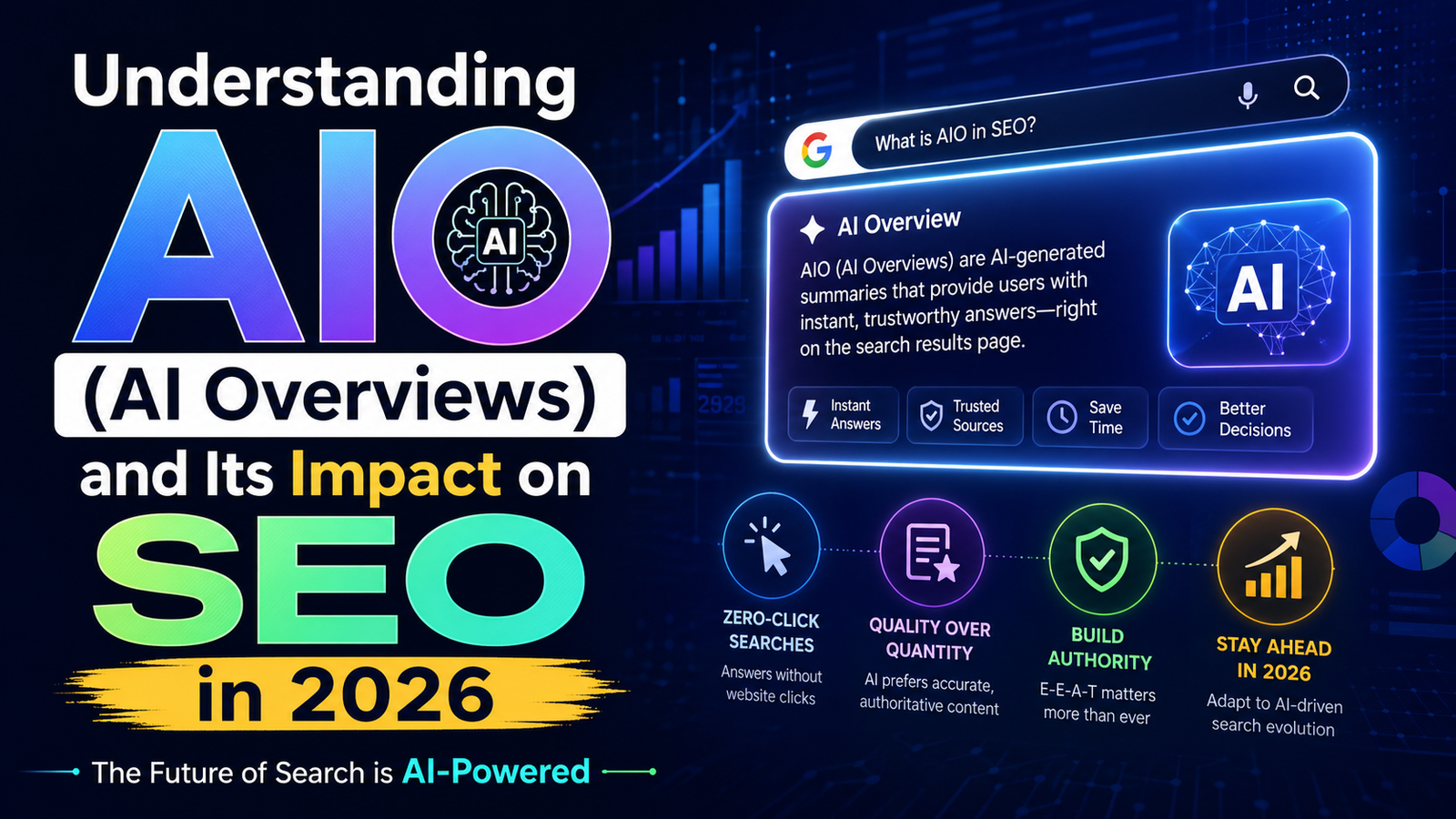 Understanding AIO (AI Overviews) and Its Impact on SEO in 2026
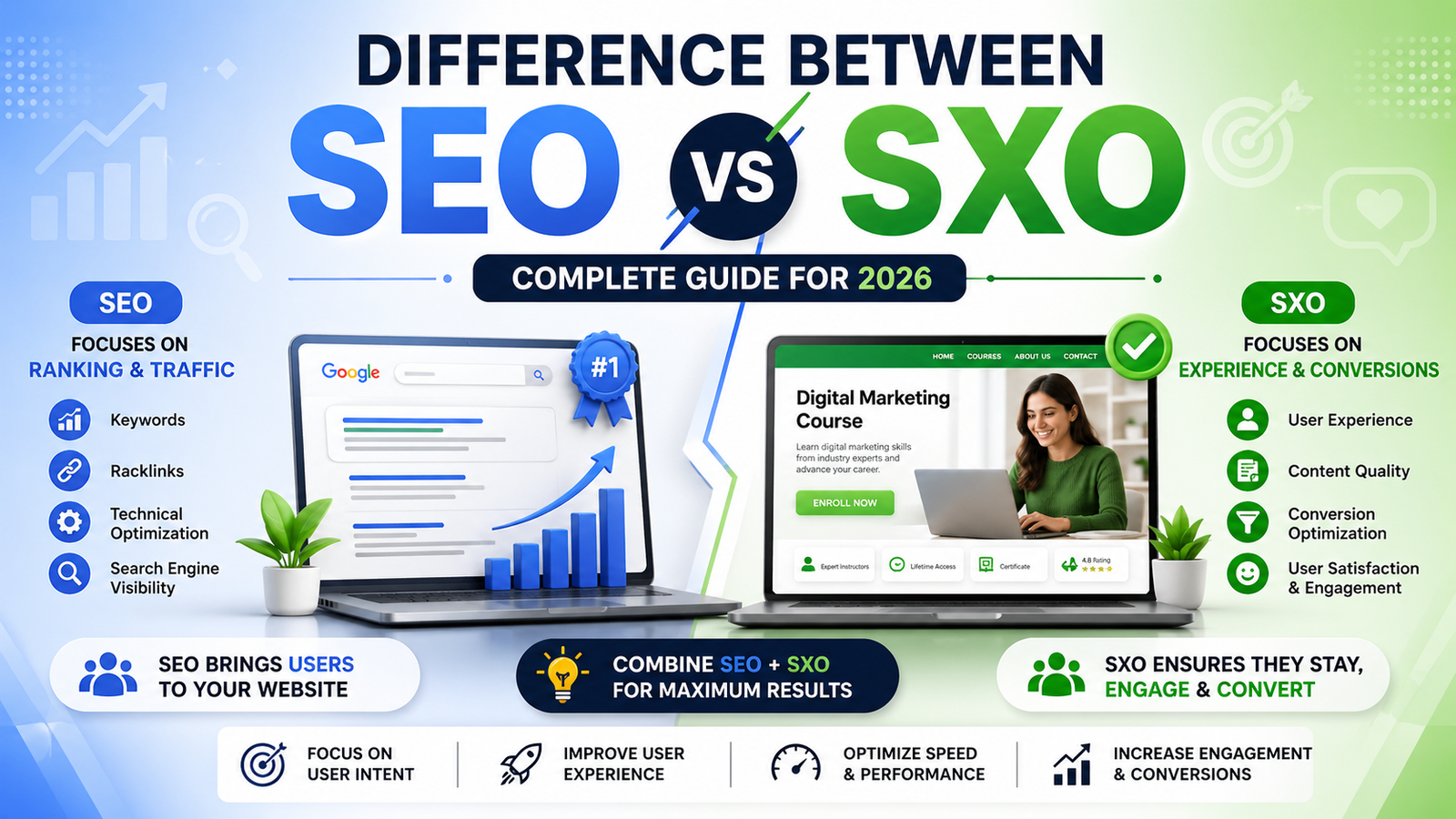 Difference Between SEO and SXO: Complete Guide for 2026
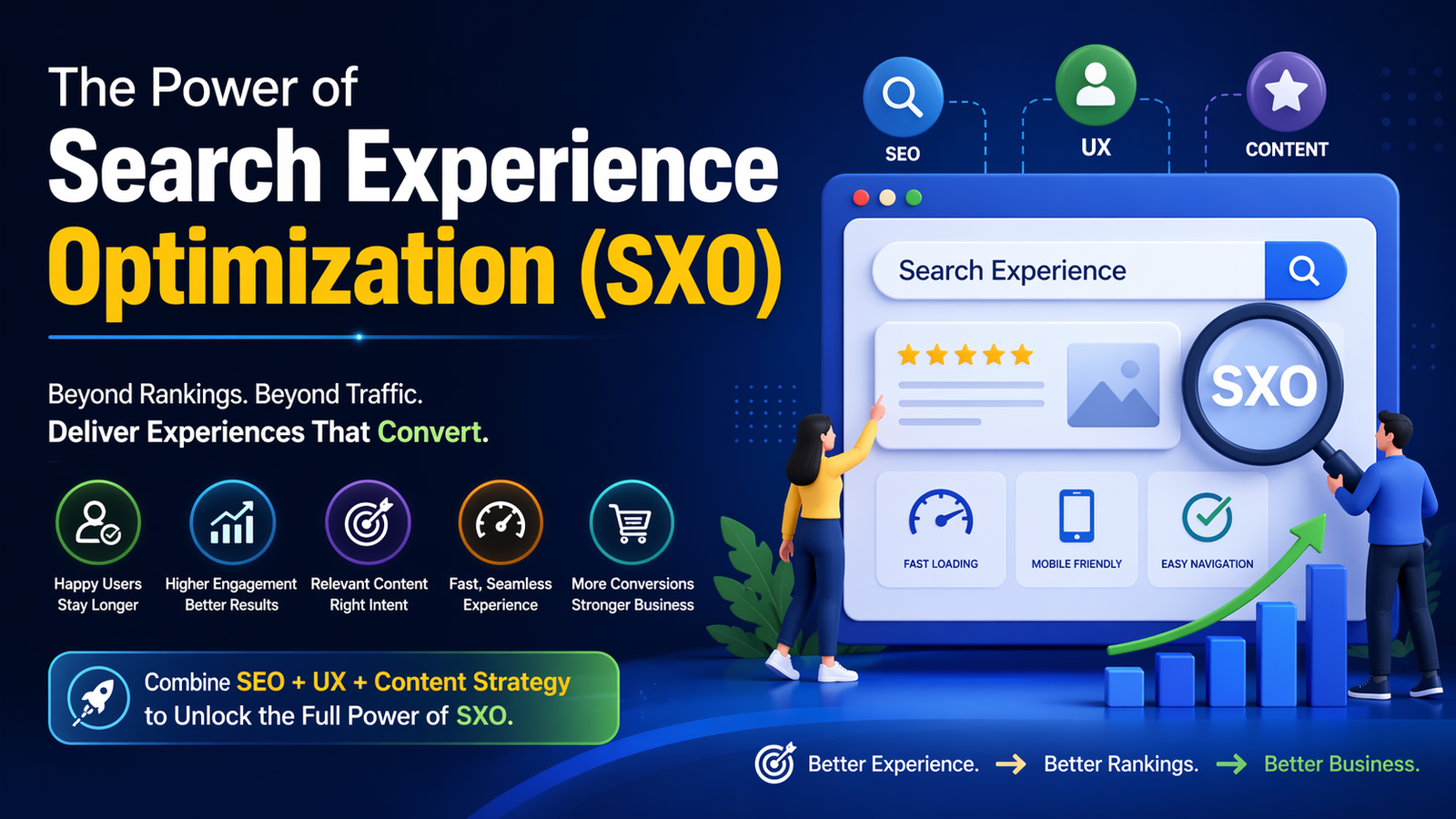 The Power of Search Experience Optimization (SXO)
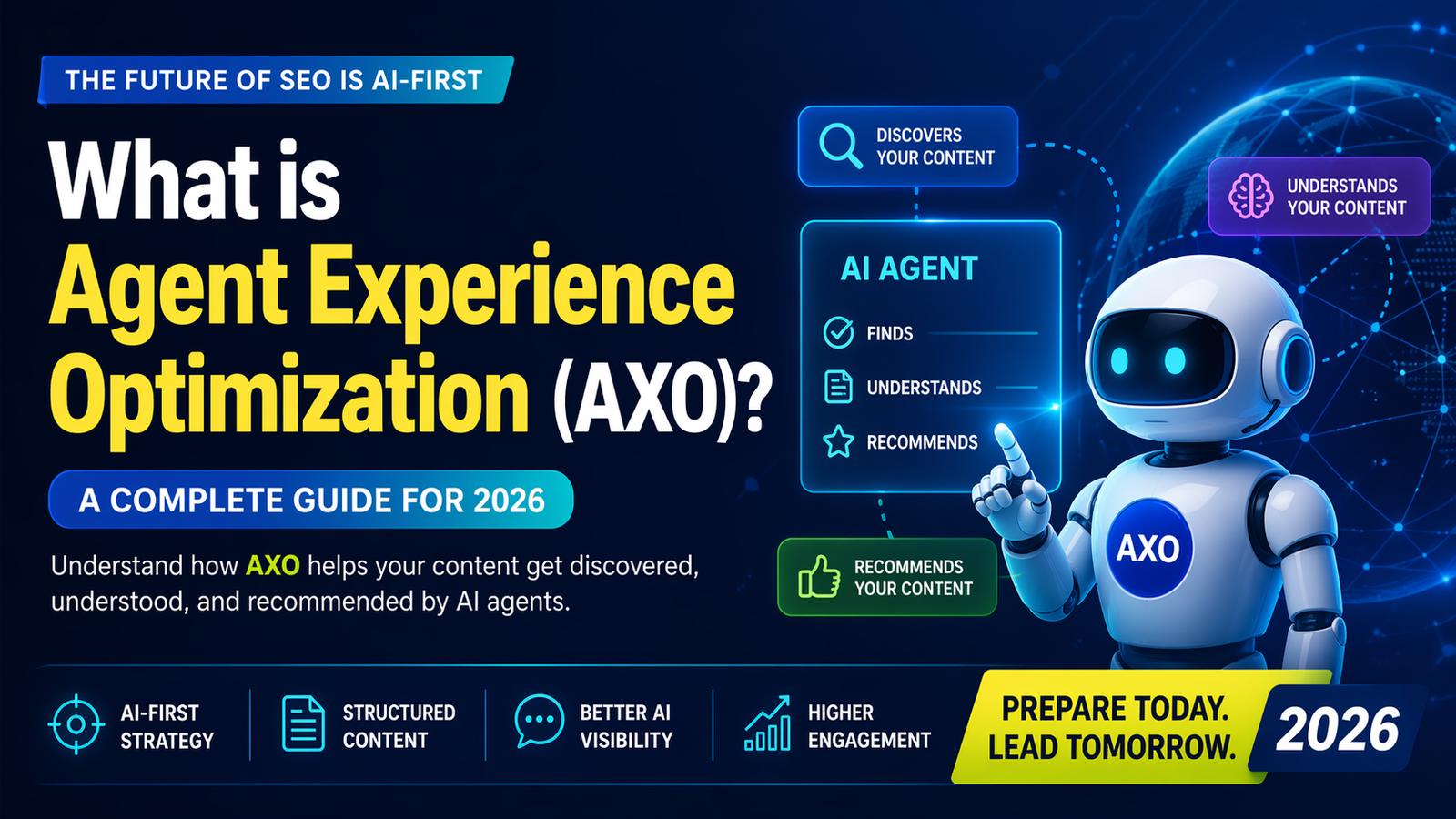 What is Agent Experience Optimization (AXO)? A Complete Guide for 2026
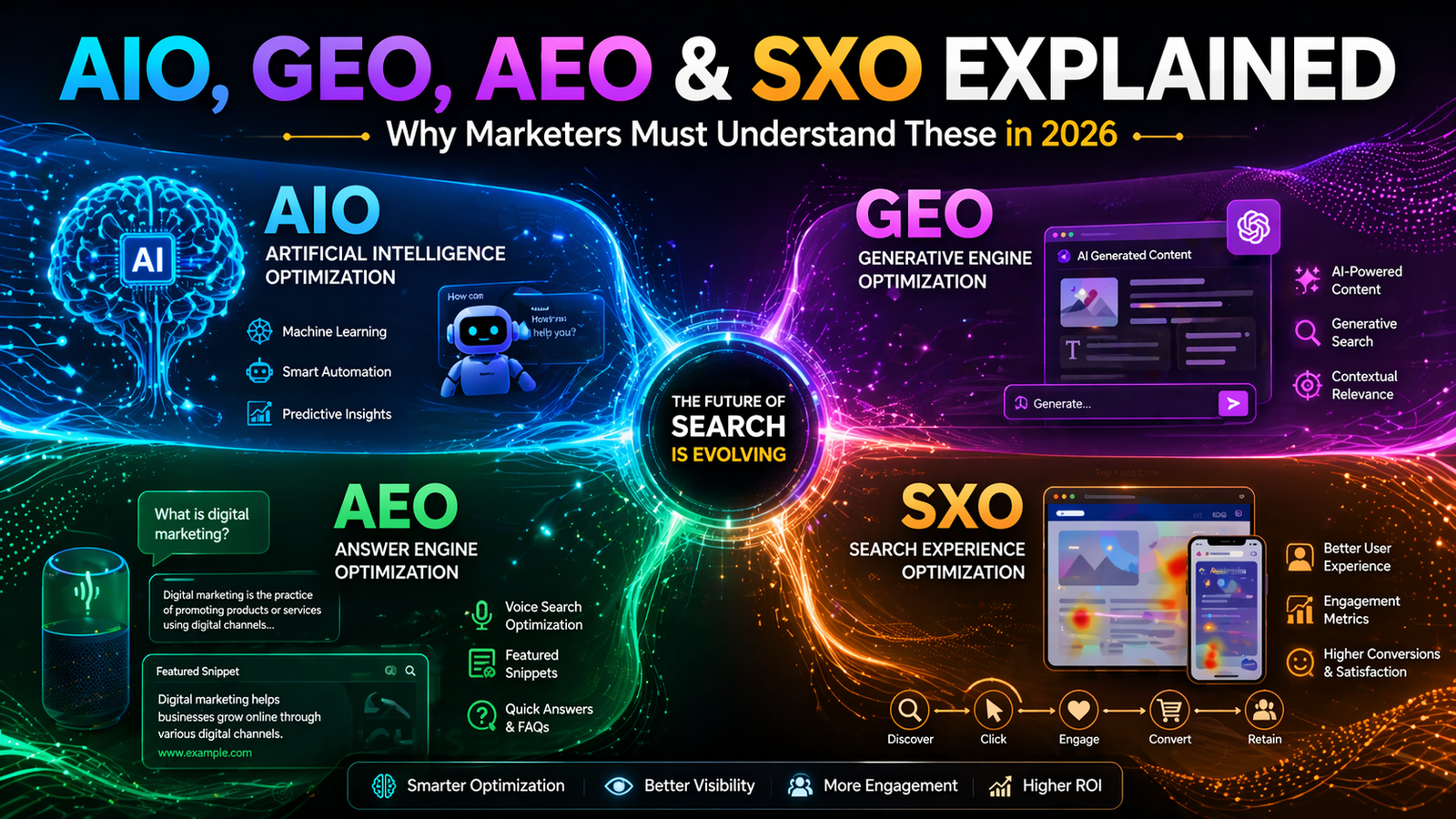 What AIO, GEO, AEO, and SXO Actually Mean — and Why Marketers Should Care
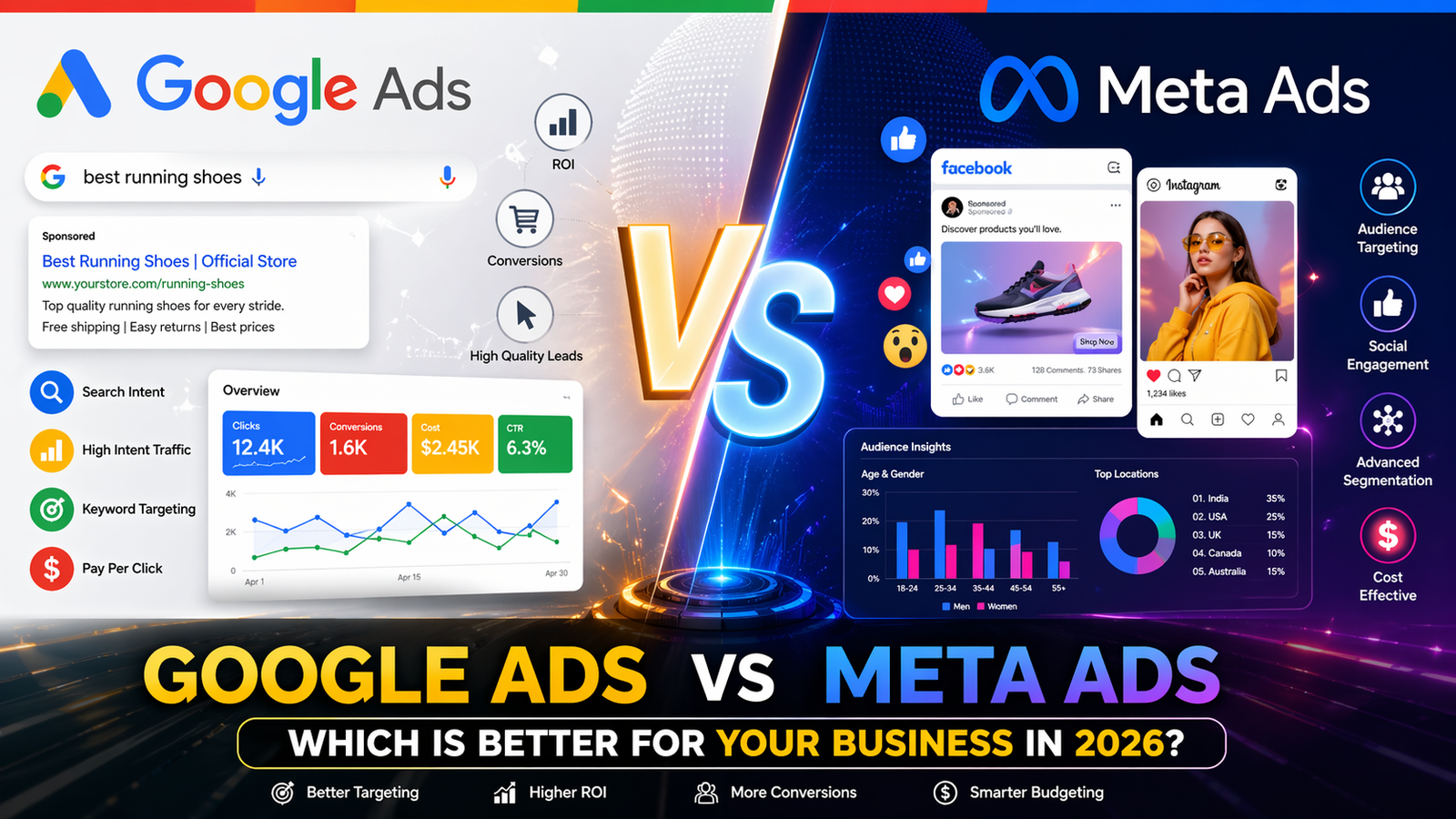 Google Ads vs Meta Ads — Which Is Better for Your Business in 2026?
 On-Page SEO Checklist for 2026 (Step-by-Step Guide)
 What is GMB & How to Rank on Google My Business in 2026 (Complete Guide)
 Google Digital Garage: Courses List, Certificates & Career Opportunities
 Prompt Engineering for Digital Marketers: Boost AI Results